Category Archives: ABQ

Central Avenue: The Necessity of a Strong Vision, Community Champions and Street Trees

UPDATE 2/4/16: Last night, the City of Albuquerque hosted a meeting about this BRT project on Central, now called ART. See the project website here! Many new and updated features of the project were unveiled at the meeting including pedestrian scale lighting along the entire project corridor and FREE high speed WiFi!

We will be learning if ABQ receives the federal grant for this project in less than 1 WEEK, on February 9th!

Many people believe project has been “fast tracked” without any public input. Part of why we’re reposting this article from 2013 is to disprove that point. Also, many of the concerns voiced in this article have been addressed including:

Bikes and Silver: The City has planned and begun allocating funding for improvements to Silver. This does not mean that Silver will extend past the freeway. However, the city is also going to be making major improvements to bike facilities on MLK, already a heavily used bicycle corridor that connects UNM to Downtown. We still believe that there are unanswered questions about bikes on Central but overall, many improvements to the plan have been made.

Medians vs. Wider Sidewalks: The folks in Nob Hill came to an agreement with the project planners and there will be wider sidewalks through Nob Hill instead of medians, a huge improvement for the business district. In fact, sidewalks will be widened and improved throughout much of the corridor and pedestrian scale lighting will be added throughout the entire corridor!

Marketing, Outreach and Champions: This project has found a champion in the form of Mayor Berry.

However, outreach and marketing by the City on behalf of this project has been too little, too late. Unfortunately, outside sources have spread misinformation about the project. Independent from those outside sources, there has been resistance to the project for a variety of reasons. In addition, it is not always easy to communicate the benefits of this project, the construction process, the potential impacts and other aspects of this proposal.

The people running this project, as of very recently, finally starting using a Facebook page to communicate information. The City needs to do better promotion and outreach for these types of projects to get ahead of any possible pushback or misinformation campaigns. It’s not an easy thing to do but it can be done.

There’s plenty more to be said about this project and we will continue discussing it on our Facebook page.

The original article, in it’s unaltered form, is below:

“Central Avenue: The Necessity of a Strong Vision, Community Champions and Street Trees”

-Dan Majewski, May 2013
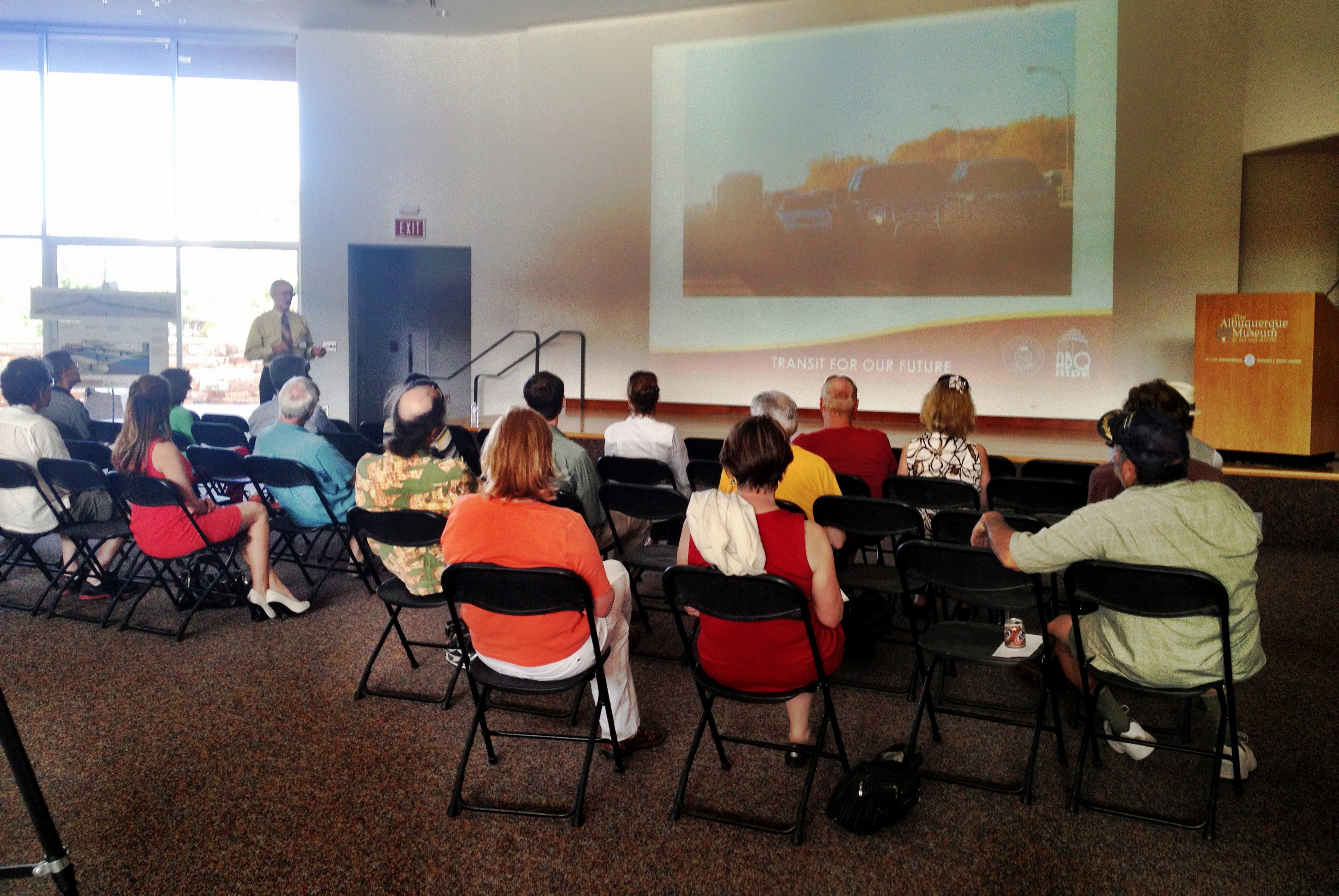
BRT meeting, ABQ Museum

During the month of May in 2013, the City of Albuquerque held six public meetings about a proposed Bus Rapid Transit (BRT) system for Central Avenue. Every meeting was held in a different location and focused on a different segment of the proposed project.

The format of the meeting was as follows:

  • 15 minute power point presentation about BRT + benefits of the project + why it should be built
  • 30 minute collaborative work session: we broke into small groups and conversed with consultants about what we like on the corridor, what we don’t like, what type of project alignment we would like to see, etc.
  • 15 closing presentations by each of the small groups

The collaborative element was useful. It allowed us to effectively express our opinons and hash out a vision for the corridor. It was also an opportunity to air grievances without having to interrupt the larger group presentation.

Bus Rapid What?
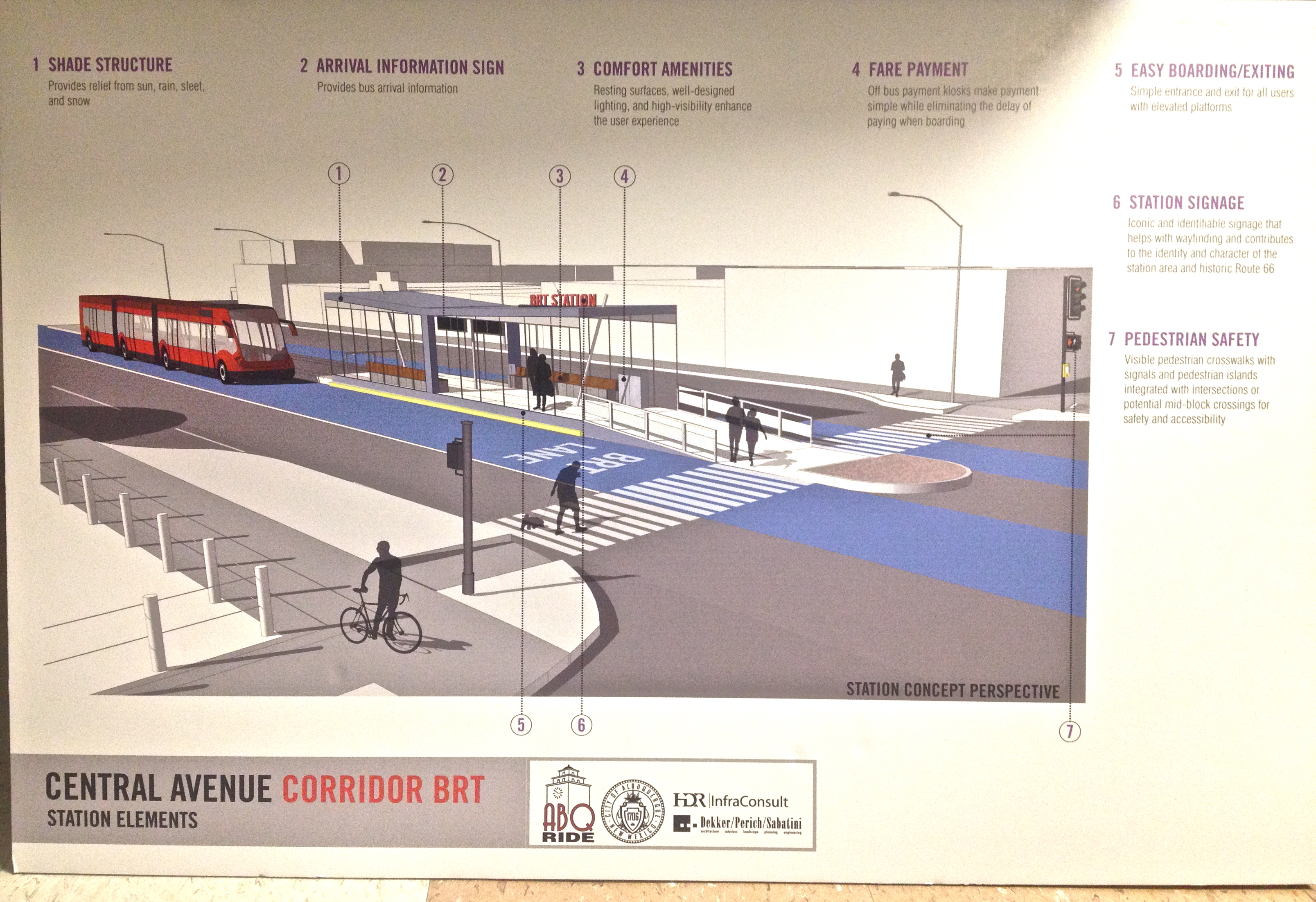
BRT Rendering

I attended two of these meeting and came away with mixed feelings.  BRT could be a great solution to the current transportation problems currently found on Central Avenue but it must be marketed correctly and executed properly.  Scroll to the bottom of the article for my full reaction.

Sorry, No Bicycles Allowed

For rapid transit systems to work, they must attract people from a wide geographic area.  To accomplish this, bicycles can be a great tool.  When asked about bicycles at this meeting, many of the consultants or city leaders implied that bicycles do not belong on Central Avenue.  “Why not the Silver Bicycle Boulevard?  Or MLK?  Or Lead/Coal?” they would say.  My response:

  1. Silver is great… until it dead ends at I-25.  It does not connect the University of New Mexico to Downtown, Old Town or the Bosque Trail.
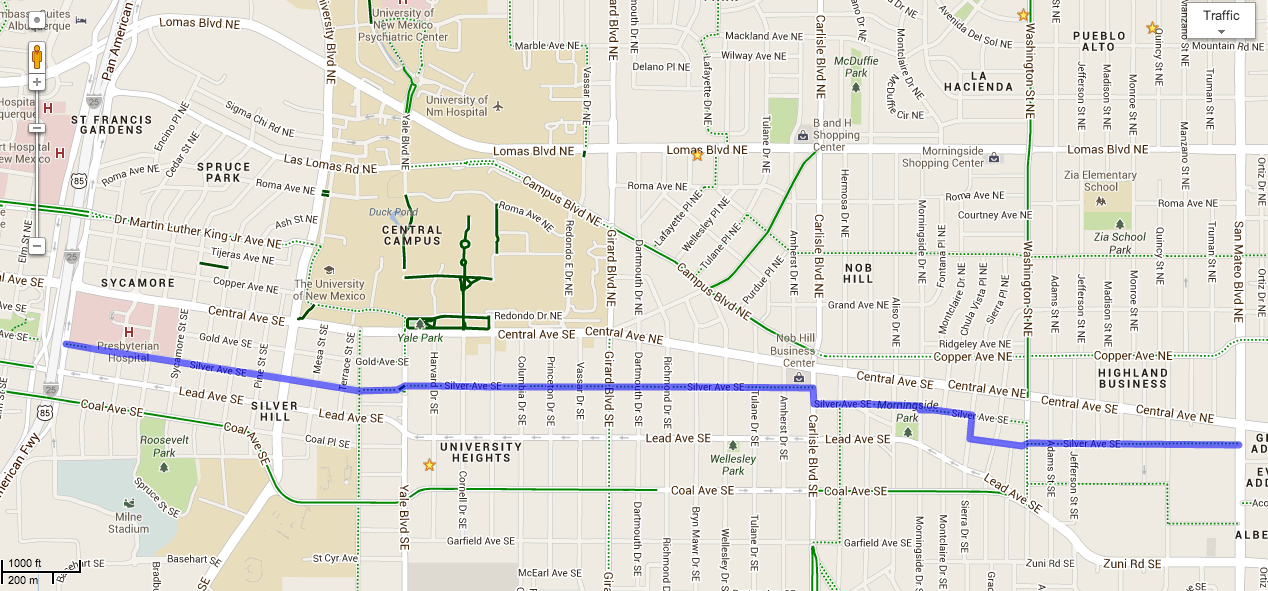
    As you can see, the Silver Avenue Bicycle Boulevard ends at the interstate.
    The blue line on this map is the Silver Avenue Bicycle Boulevard. As you can see, it currently ends at the interstate freeway on the left side of this image.
  2. Most of the desired destinations are located on Central.  I may use Silver for 90% of my trip.  However, since my end destination is located on Central, I need to bike on Central for at least a block or two.  This means riding on the sidewalk (dangerous/illegal) or in the street (terrifying).
  3. Whether you like it or not, there is already a lot of bicycle traffic on Central.  It will only increase over time as this corridor becomes more dense.
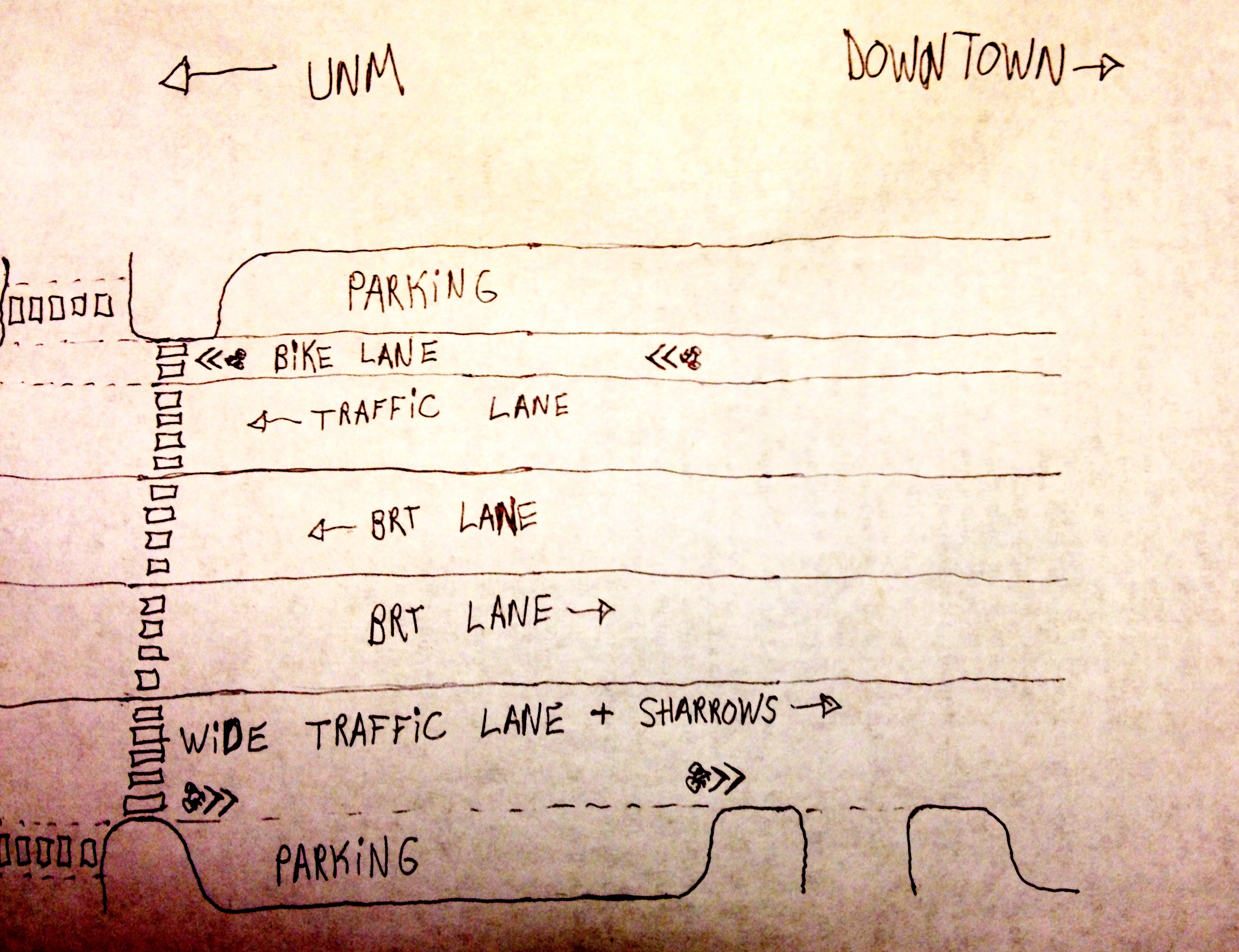
  4. Accommodating bicycles does not necessarily mean 6 foot bike lanes in each direction.  It simply means providing infrastructure where possible.  This is an example of what bicycle accommodation could look like in the narrow segment between University Boulevard and I-25:
central

The Nob Hill No

The Nob Hill Neighborhood is the most organized and wealthy stakeholder group on this corridor.  They are also the most frustrated and angry about this proposal.  From their perspective, CABQ is trying to take away something (the medians) which presently provide safe pedestrian refuge.

True BRT = one general traffic lane in each direction.  This would lead to slower traffic speeds, creating a safer pedestrian environment and reducing the need for median pedestrian refugees.  However, the city has not adequately demonstrated the exchange of the medians for a world class rapid transit system.  The project leaders have not clarified how many crossings for people on foot would exist along the segment.  Also, it appears to Nob Hillers that this system will simply be going through the neighborhood without stopping (as the current alignment exists).  CABQ and ABQ Ride are not effectively selling the system to the neighborhood.

The city should explain that instead of the medians, Nob Hill could get wider sidewalks or bicycle lanes.

Using Streetmix, here’s how the Nob Hill segment currently looks:
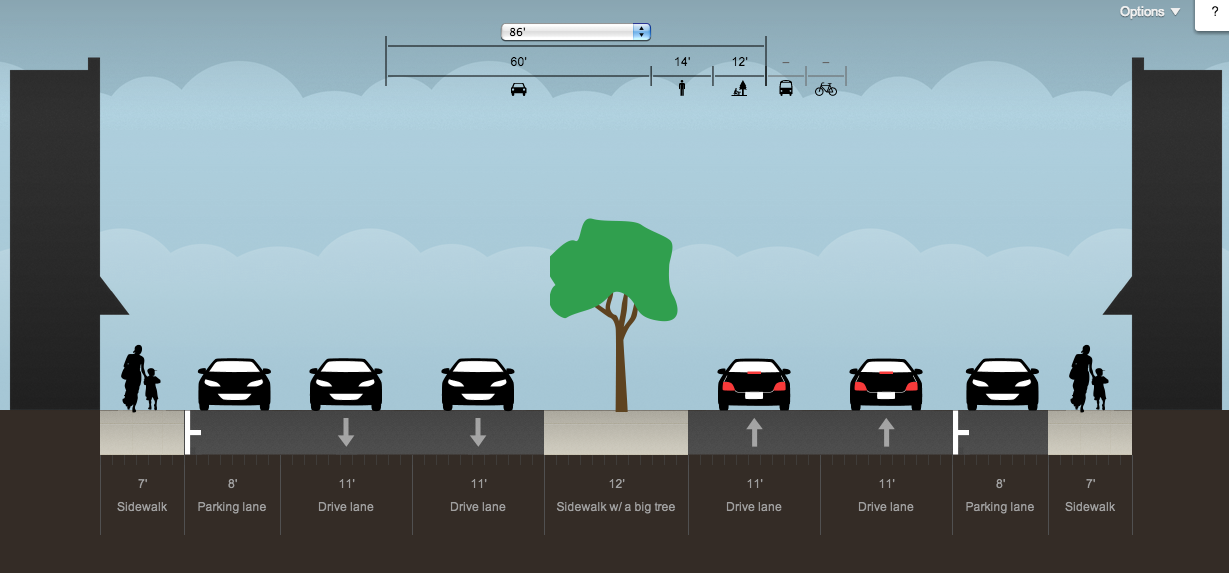
Streetmix: nob hill current

Here’s how this segment could look with bicycle lanes:
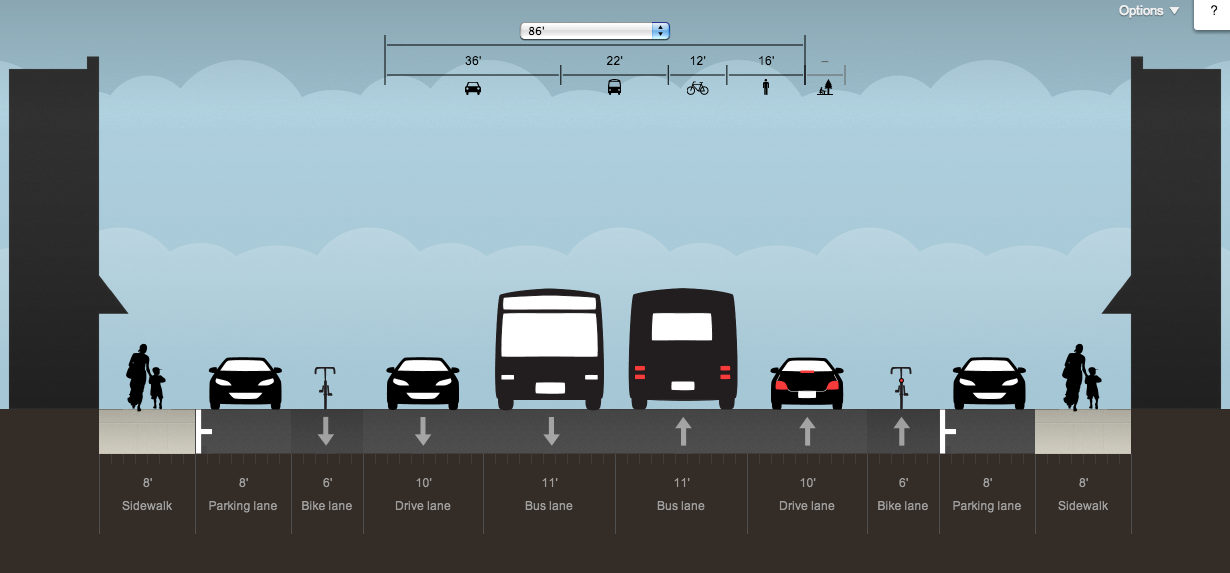
Nob Hill, bike lane option

It could also look like this, replacing bicycle lanes with wider sidewalks:
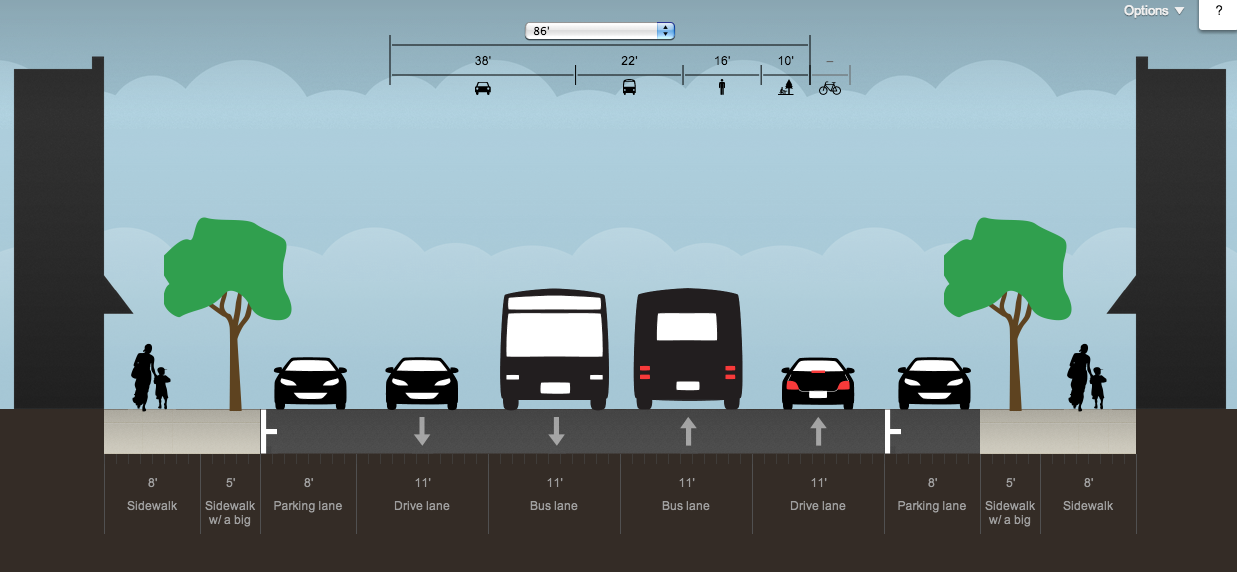
Nob Hill; BRT + street trees

There are many potential positive possibilities.

Lessons from Ft. Collins, CO

On February 21st, the ULI (Urban Land Institute) hosted a full day conference about BRT in Albuquerque called Transit and Place: First Steps.  The day was filled with fantastic presentations from transit providers and developers nationwide.

Kurt Ravenschlag from Ft. Collins, CO delivered a wonderful presentation about the Mason Street Corridor BRT Project.  Initially, the project did not go over well in this mid sized college town.   It was rejected by the business community because the city was not emphasizing the economic benefits of the project, such as increased values around the station areas.   The transit provider was forced to go back to the drawing board.  The re-marketing of the proposal was successful and the project is now being constructed with major local support.

The City of Ft. Collins did not change the project!  They only changed the sales pitch.

All Together Now

The City of Albuquerque is currently working on a Complete Streets Plan for Central Avenue between 1st St. and Girard.  Isolated from the BRT project, this plan has its own webpage, a separate set of public meetings and different group of consultants.

This needs to change.

The BRT plan and the Complete Streets plan are the same thing!  They both have the same vision: increased economic development and a safer more beautiful street for people moving throughout the corridor.  Why are there two separate plans?

Mr. Ravenschlag from Ft. Collins emphasized the importance of first laying out a vision for the corridor.  Streetscaping should be the first conversation, followed by zoning overlays and bicycle/pedestrian access.  After all of that, transit should be discussed.

Reframing the Conversation

Central Avenue is in desperate need of a solution.

Half of all transit trips in the city are on this corridor.

It is Albuquerque’s main street but it is marked by vacant lots, visible poverty, fast moving automobile traffic, high pedestrian fatality rates, unsafe intersections and a lack of cohesiveness.

Rapid transit will be a part of the solution but it can not come at the expense of all the other elements.  Wide shaded sidewalks, bicycle infrastructure, rezoning of the corridor, reduction of parking minimums and safe pedestrian crossings at every intersection are all more important to the long term success of Central Avenue.

This project needs a stronger emphasis on the complete streets and economic development elements of the project.

ABQ Ride and the City of Albuquerque need to go back to the drawing board and figure out how to sell BRT as a larger part of the revitalization of the Central Avenue corridor.

The sales pitch could be something like this:

IMAGINE… an improved Central Avenue, Albuquerque’s Main Street.  Envision wide, smooth, safe sidewalks shaded with large native street trees.  Think of slow moving vehicle traffic and narrow, easy to cross intersections.  Visualize vacant lots disappearing, then filled with shops next to the sidewalk and apartments above.  Feel the warm summer air as you leave your apartment and walk a few steps away to a rapid transit station.  The station has shade, real time arrival information and other amenities.  However, you barely have time to look at all of it since a transit vehicle arrives every five minutes.  The successful vibrant Albuquerque of the future is linked to this critical corridor.

Can you see it?  I sure can.  For it to manifest, it will take strong local champions and a chorus of voices demanding a safer, more prosperous and more beautiful Albuquerque, a city for PEOPLE, where motor vehicles are guests.

It’s a difficult challenge but it’s our best hope for long term economic vitality.

Get involved!

Please comment below if you have questions or comments about this post.

For more information on the Central Avenue BRT project, click this link.

For more information on the Central Avenue Complete Street Plan, click this link.

Like the Complete Streets in New Mexico Facebook page for more news and information.

Like UrbanABQ on Facebook for more news and information.
The Transparency of an Engaging Public Realm

Image

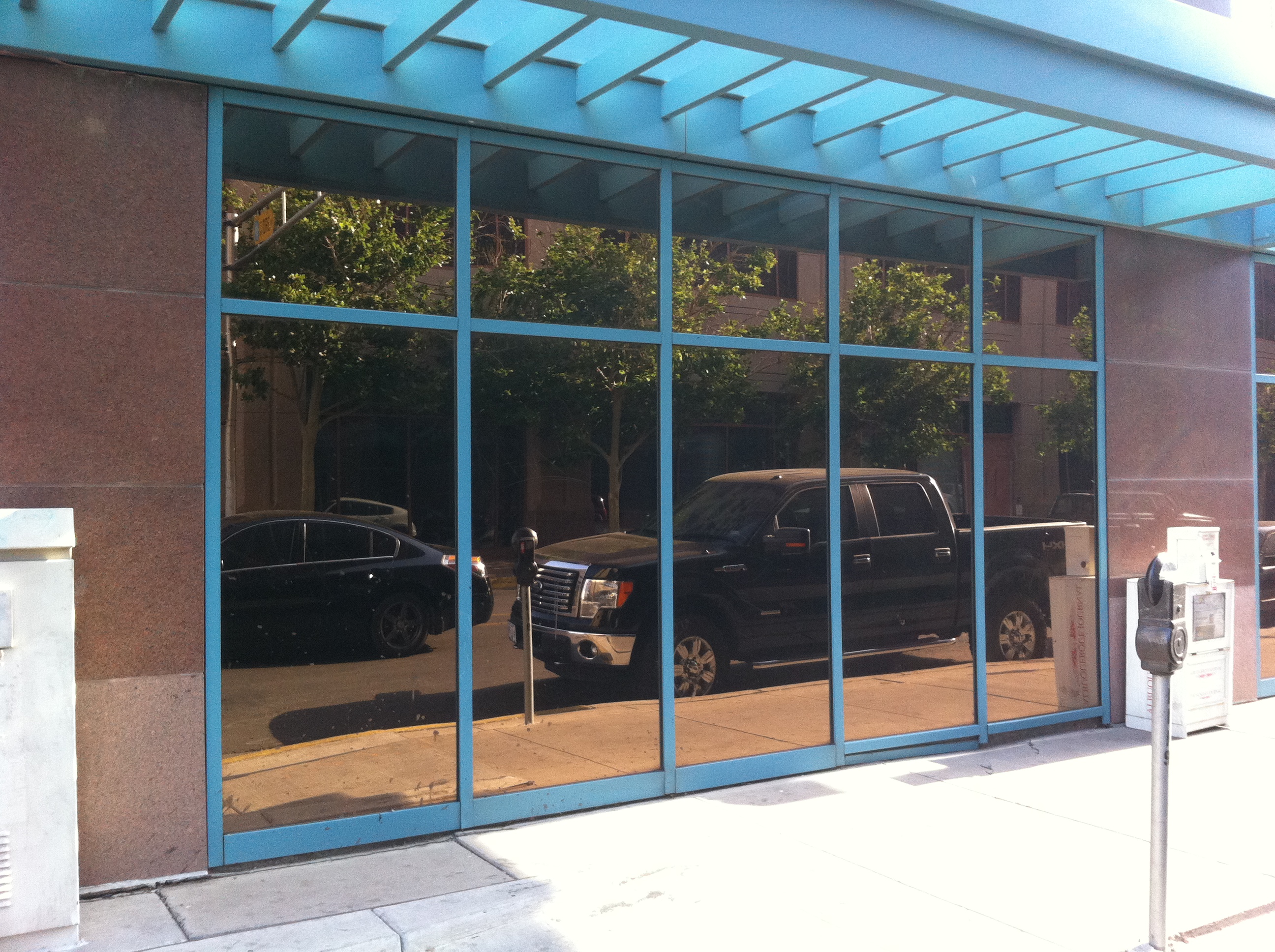
Imagine walking down the sidewalk in downtown Albuquerque, it’s 3:30 in the afternoon and the temperature is hovering 100-degrees heat. You peer into the window of a local restaurant only to see your own reflection and the bright light refracting back at you. You can simultaneously feel the oppressive heat of the sun as well as another heat source radiating off the tinted glass. I imagine anyone reading this has experienced this a time or two walking around our downtown or in other areas of the city.  

Whether as a pedestrian, or even as a driver, there is an architectural feature that makes an enormous difference to the quality of the public realm: window transparency. Sure, there is a utilitarian reason for tinted windows in our region, but designers often fail to consider the unintended consequence of this common design choice.

There are many principles associated in generating a high quality pedestrian environment in our cities, and one involves the creation of an interesting streetscape that engages our senses at a speed that matches our 3-5mph average walking speeds. Tinted glass erodes this quality by hiding what lies behind and simultaneously contributes to heating the urban environment by reflecting the sun back into the street and sidewalk. A view (interesting or not) of life beyond the curtain wall helps to distract us from the weather. A view of socializing people, or one of merchandise are just a couple of examples of the way in which transparency contributes positively to the experience of the urban streetscape.

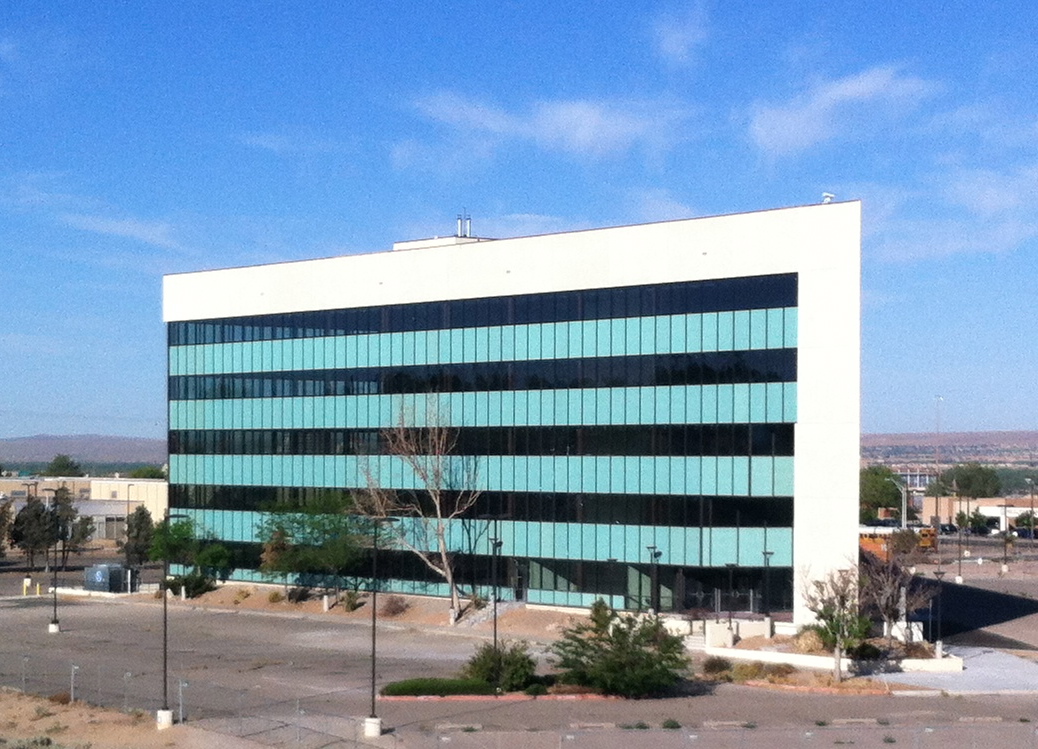
The same visual effect can be observed in our high rises around the city. Tinted glass contributes toward the creation of more brutal structures. An example that comes to mind is the recently renovated midrise structure at the southeast corner of the Big-I interchange. Previously, the triangular office building was coated in tinted glass windows, reflecting its surroundings. It was the equivalent of a triangular, onyx rock. The renovations included replacing the glass with a combination of transparent and sea foam green glass, resulting in a structure that is less brutal and monolithic, offering glimpses through the structure. Each level nearly appears to levitate over the previous one. The office building no longer anchors the space it is in quite the way it did before, but instead now engages its environs in a more delicate way. Its presence is no longer recognizable by only its unique, triangular shape, it is now somehow more sophisticated, allowing us to see through it and understand its skeletal structure.  

Image

New Mexico’s famous sunshine and variable weather necessitate solutions that temper our built environment. However, our sometimes harsh environment provides opportunities for innovative solutions. Let it be known that I am a fan of diversity in architecture. All art is subjective and in no way would I wish to ban any (ok, almost any) style. However, the design of our cities must consider how each building affects the composition of the city, which is experienced by people while walking, riding bicycles, and driving or riding automobiles. 

– Tim

Beyond Critical Mass: Bringing ABQ Back to the Cutting Edge

Lomas & Carlisle
The Critical Mass community bicycle ride in Albuquerque, New Mexico occurs on the last Friday of every month. It begins at the Duck Pond at the center of the University of New Mexico campus and then meanders through the city before ending (usually) at a local brewery. As the ride progresses, people drop off. By the end there is usually a much smaller group. It is loosely organized through social media and word of mouth and it is always a lot of fun. The diversity of riders, bicycles and routes makes for an inspiring and unique event.

The ride on Friday, May 31 was different.

Someone decided Critical Mass should be more than a long bike ride to a brewery. This individual coordinated three separate acoustic shows throughout the ride. The first two occurred at city parks while the final show took place at an undisclosed location.

It was beyond amazing.

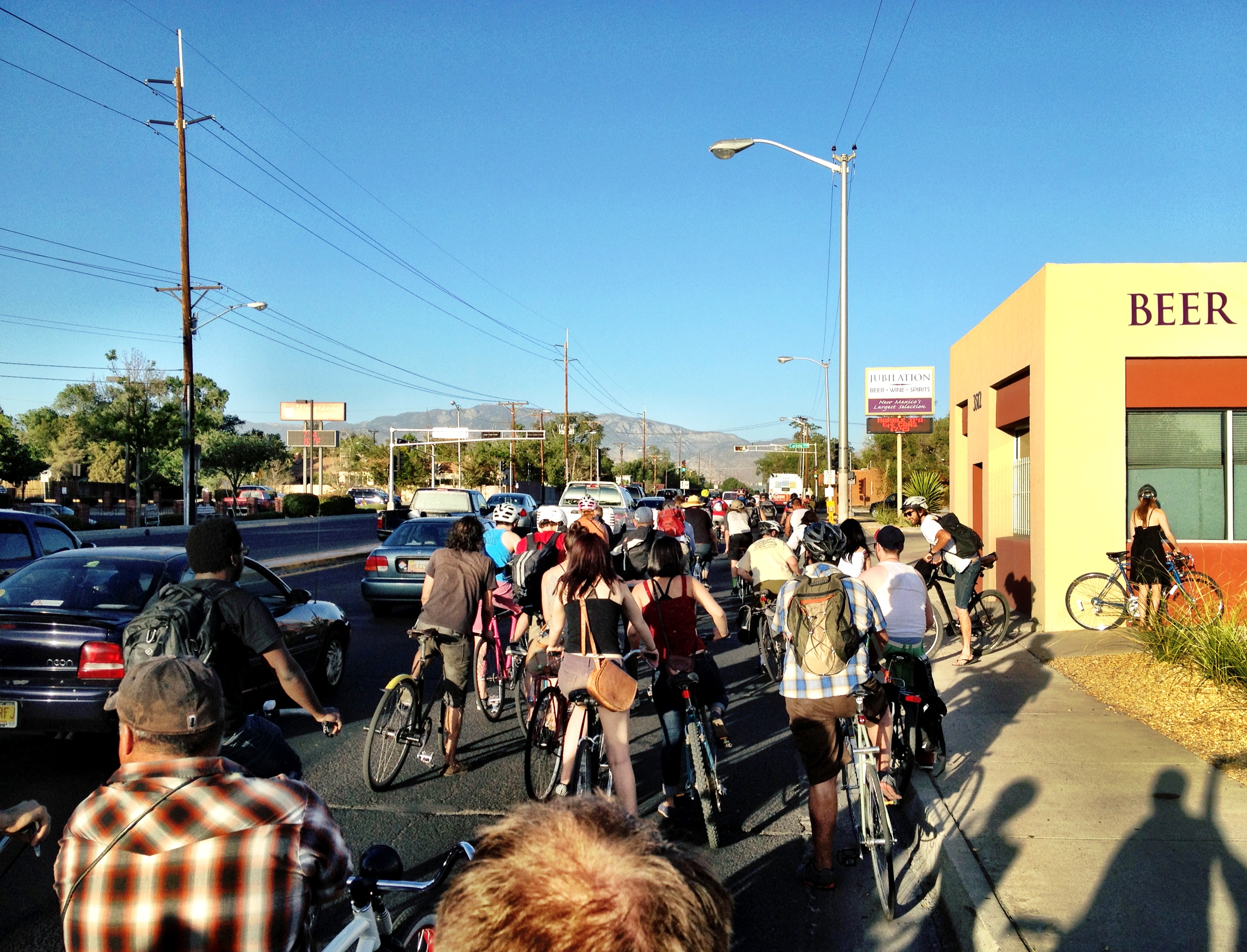
The ride began with 100+ riders. We traveled up Lomas, overflowing out of the right lane. We turned onto Alvarado to Indian School then down Indian School to the first musical performance. We retained all of our numbers and added a few people. This was due to everyones excitement about the musical performances. This was more than just a ride through the city.

All of the music groups were talented and full of energy.

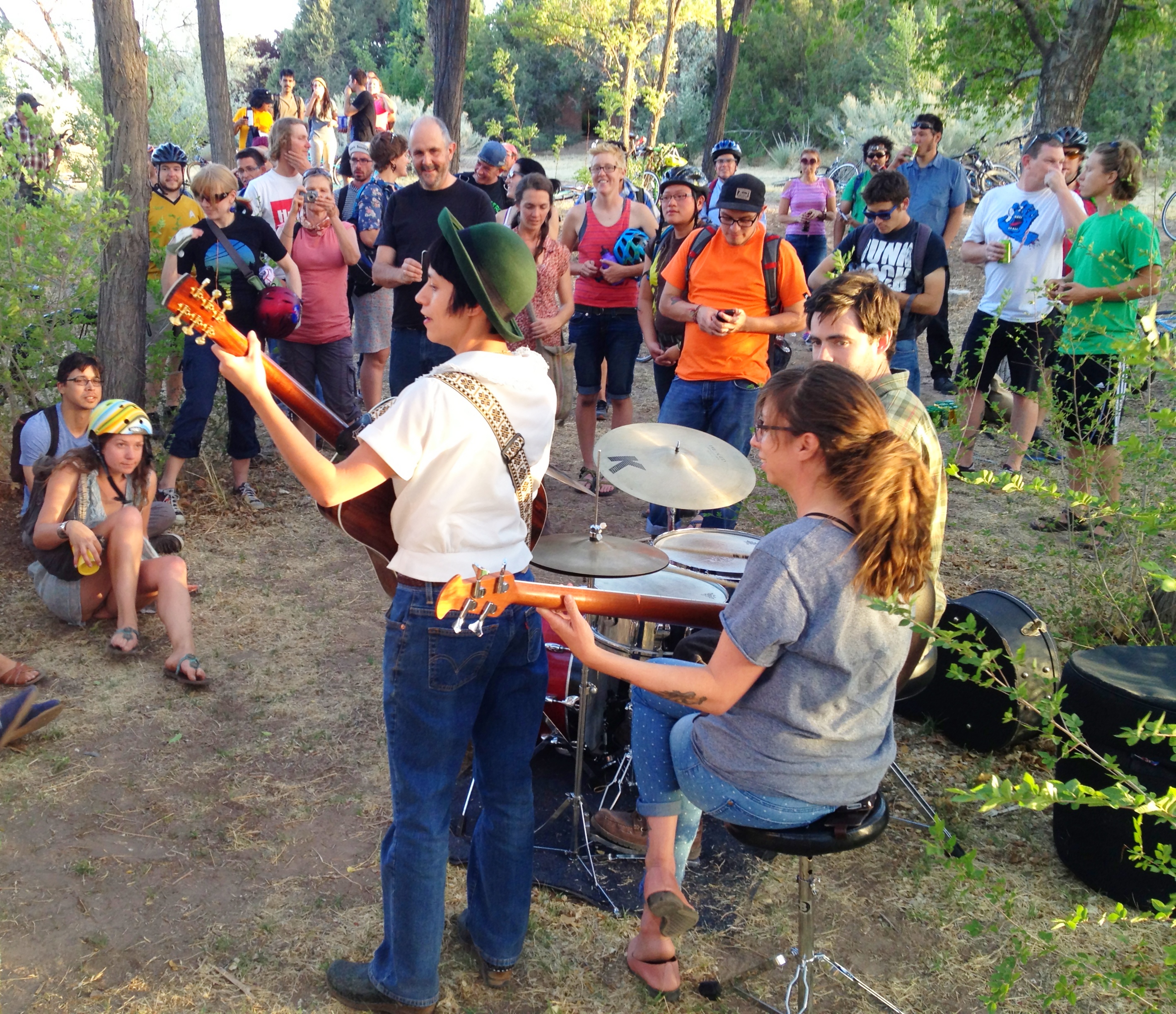
The first group, Karrie Hopper, played at Mirraceros Park. The sound of semis on I-40 slowly melted away as the soothing soulful sounds of the acoustic guitar and bass filtered through the trees at twilight. The band played a short set and then we were on our way.
A Delightful Concert

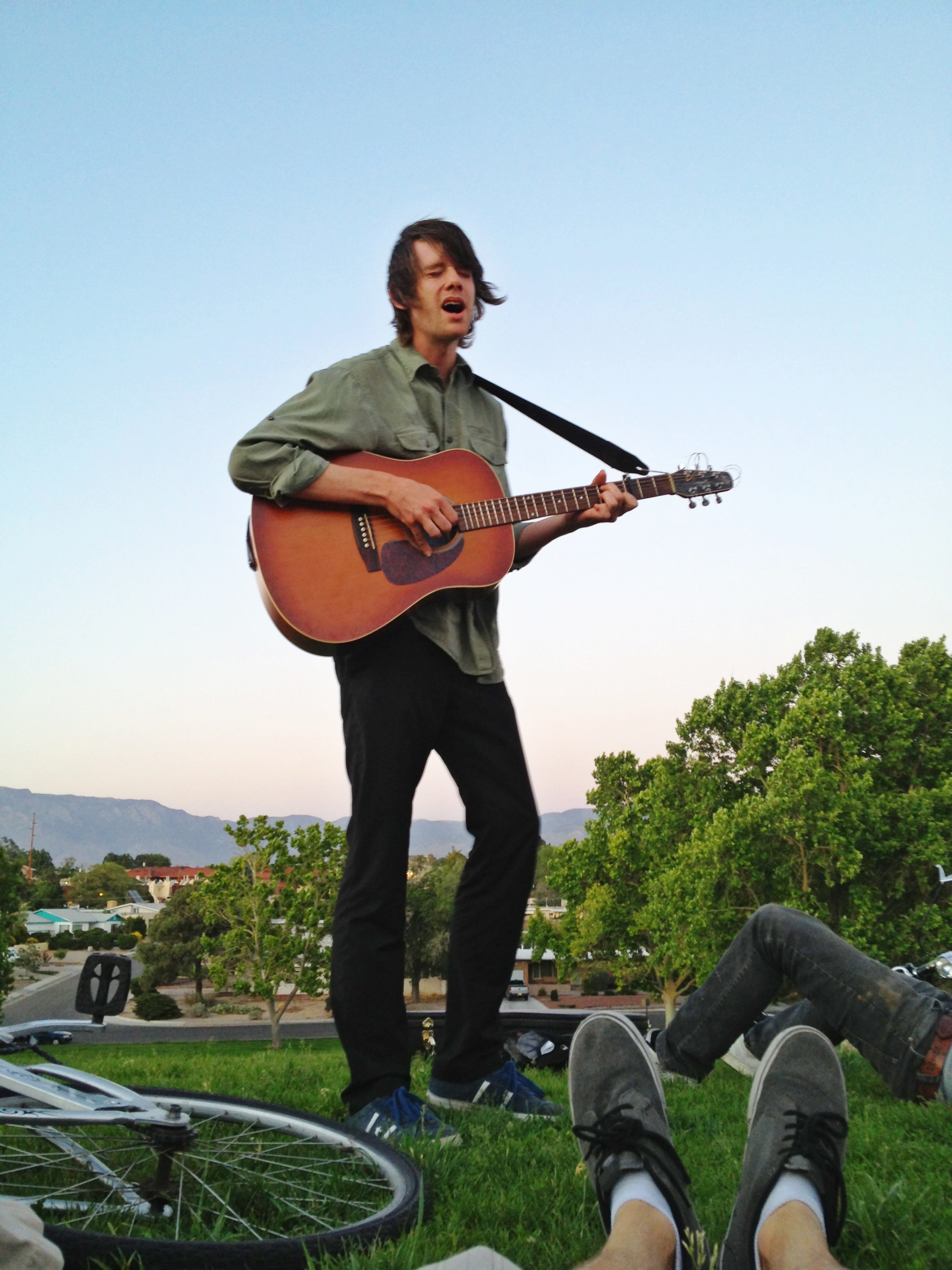
Our next stop was nearby at Netherwood Park where our next performer appeared. AJ Woods played a melancholy mix of music. Against the background of the sun soaked Sandias, AJs unique combination of finger picking and Rocky Votolato-esque lyric style was impressive. As the sun set, his songs filled the bicycle covered hilltop.
AJ Woods

Off to the final performance!

We collectively “bombed the hill”, lights flashing, and proceded to meander, lost through the neighborhood. A random rider took the lead, bringing us to the final location.

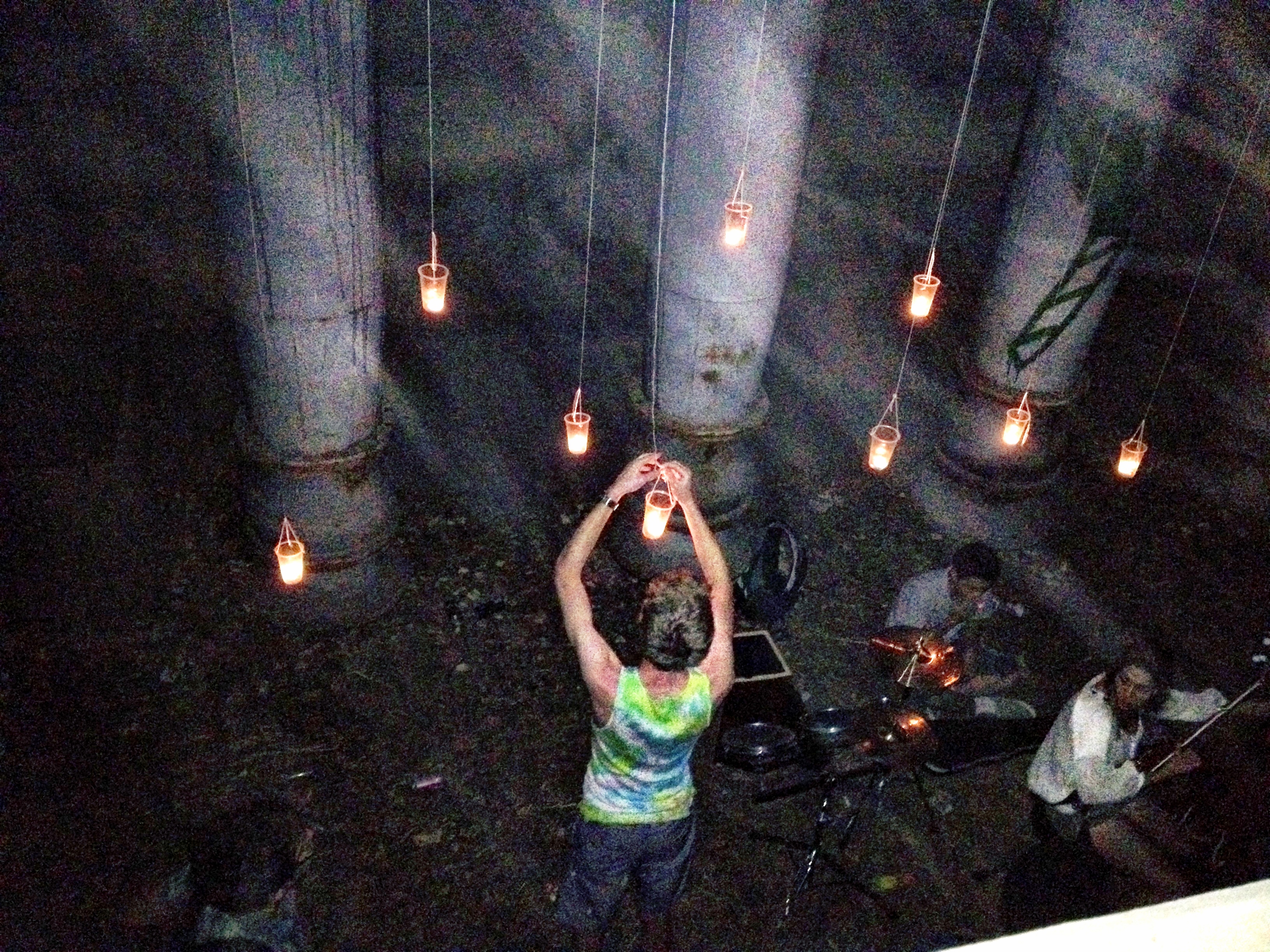
We turned off our lights and proceeded to a secret urban space. With walls covered in graffiti, plastic cups filled with small candles hung from the grates above.
Leaky Faces

The Leaky Faces began to play. Loud, brash folk punk pierced the night, driving us into a dancing frenzy. Camera flashes from all angles turned the space into a covert club, if just for an hour.

The event ended there and we all dispersed into the night.

Lessons + Thoughts

Unlike previous Critical Mass rides, we were numerically strong until the end. Through the integration of local music, public parks and pedal power, a true grassroots gathering took root.

It demonstrated that Albuquerque is ready for the next level.

Our city leaders need to hear it, loud and clear: let’s retake the lead! For decades, our multi-use trail system was the envy of cities across the country. It continues to be amazing but it’s not enough. We used to appear as a Top 5 bicycle city year after year. It’s been awhile since that’s happened.

Across the country, other cities are taking the lead. The Green Lane Project is an example of this. Part competition and part study, six American cities have received grants to construct protected bicycle lanes. This project has created an interesting phenomenon: Memphis, TN, a city previously rated as one of the worst for bicycling in the country, is now on the cutting edge of the urban bicycling movement.

Elly Blue, a well known writer within the utility cycling community, wrote a fantastic series in Grist a few years ago called Bikenomics. In one of the articles, she explains the important economic reasons to promote cycling. Acording to her,

Communities designed exclusively for motor vehicles impose a major financial penalty on those who are compelled to take on the expense of driving. But if you’re one of those who lives in a bike-friendlier place, you’ll be doing your local business community a good turn and padding Uncle Sam’s pockets as well as your own if you trade four wheels for two.

Beyond Bikes

More than anything, this event emphasized the importance of having diverse elements to create a successful urban experience. Quality cycling infrastructure is one thing; having a strong art, music and culture scene is crucial as well.

Albuquerque is already a major cultural hub. Unlike Portland, we have ethnic and traditional diversity. Our city has been here since 1706 and it’s been on an upward trajectory ever since.

Recently, Albuquerque has been witness to a growing out migration. We lack quality jobs so many young educated citizens have left. They go to Denver and Austin, regional cities investing heavily in culture and the core.

The missing piece in Albuquerque is a vibrant urban environment, a diverse and dense walkable core, an exploding Downtown warehouse district.

We have the bones. We have the thinkers, the great weather, the space and the desire.

What will it take?

It could begin with a commitment, a statement from the city leaders. They could choose to invest the most time and money in the core of the city. Right now, a huge percentage of our revenue pays for new roads and infrastructure on the West Side of the city. How does that investment help us succeed as a city? What is the return on it (for more on this topic, visit the Strong Towns website)?

It will take champions, people in our community who fight for and stand up for values they believe in.

It will take time and money. Most of all, it will require us to work together, to share, to collaborate, to make our voices heard.

Want to know more about bicycling events in ABQ? Follow this Facebook group or visit the “Local Resources” portion of our page.

Thank you for reading and please comment!

-Dan

Why Don’t Children Walk to School Anymore? Crisis and Opportunity at Jefferson Middle School

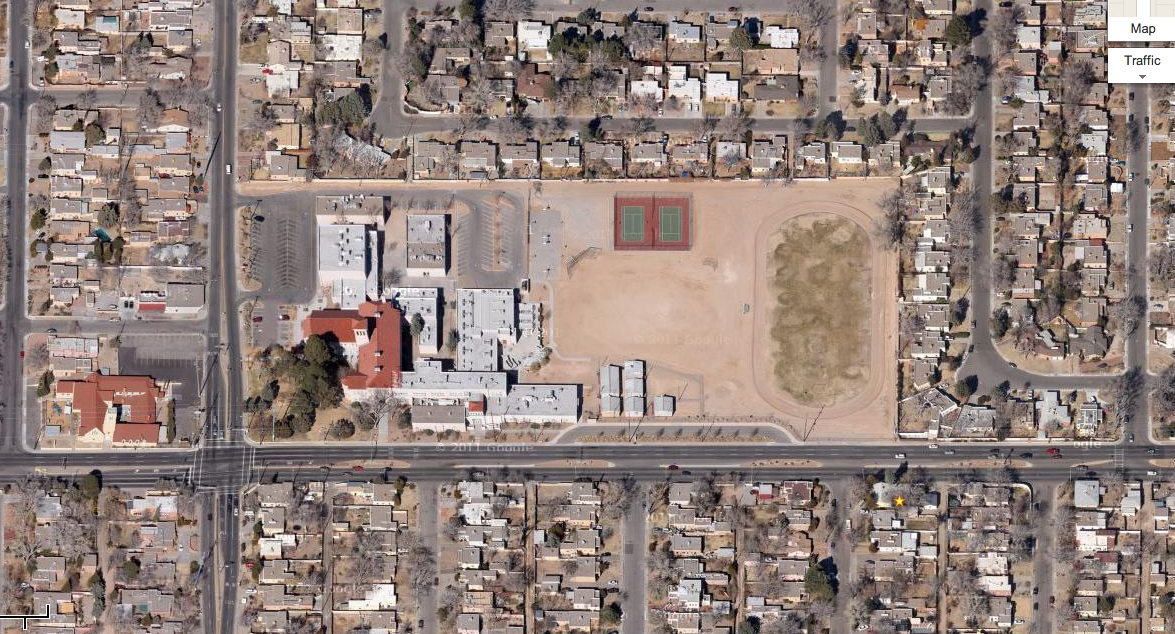
Aerial view of Jefferson Middle School (Google Maps)

Jefferson Middle School (JMS) has a problem. Every weekday, in the morning and the afternoon, a dangerous traffic situation is created as parent pick up and drop off their children.

This problem is not unique to JMS; this situation occurs at almost every grade school in the country every day. It is unique in that JMS is located in a neighborhood that was designed pre-automobile dominance. It was built in an era when most students walked to school. It has great pedestrian connections to the neighborhood, featuring 3 passageways that connect directly to the school grounds.

Unfortunately, it appears that most students no longer walk to Jefferson anymore.

APS: Solving Traffic Problems by Building a New Road
Albuquerque Public Schools (APS) has proposed a solution to the traffic problem: a 24 ft. road with two 12 ft. lanes to encircle the school grounds. This proposal can be found on page 18 of the Girard Boulevard Complete Streets Master Plan. According to this document (emphasis mine), “There is approximately $572,000 budgeted for a project to build a loop road starting from the north end of the parking lot abutting Girard on the west side of the school, traveling along the north property line and then south along the east property line to Lomas Boulevard… It was approved by public vote in a 2010 bond election, but has since been put off until 2015. No designer or engineer has been hired yet, nor have any related studies been started. It will be paved, and will most likely be one-way, but they are not sure which way that will be (Lomas to Girard Boulevards, or Girard to Lomas Boulevards).

The three neighborhoods surrounding this property, North Campus, Summit Park and Nob Hill, recently discovered that APS is actually planning on breaking ground on the road at the end of May 2013. APS says they are fast tracking the project because the current traffic situation is a huge danger to students. The neighborhoods, and especially the neighbors who have backyards adjacent to the property, are not happy. Many meetings have been held in the past two weeks about this project and an article about the project appeared in the Albuquerque Journal on Wednesday, May 22.

Framing the Issue: What Can $572,000 Buy?
The debates about this project have been both fascinating and disturbing. Few neighbors or parents want this project to happen. However, no one is proposing an alternative. This is possibly because the parents who do not want this project are also the parents who are driving their children a 1/2 mile to the school everyday, feeding the problem.

Within the most recent APS bond, $572,000 was specifically allocated for this project. A total of $1,456,865 has been allocated from the APS bond to pay for the entire project, which includes construction of a grass field, a track and drainage improvements.

Since this money is specifically set aside for this project, it’s unlikely it can be used for other infrastructure improvements. But just for fun, what could we do with $1,000,000 in bicycle/pedestrian improvements?

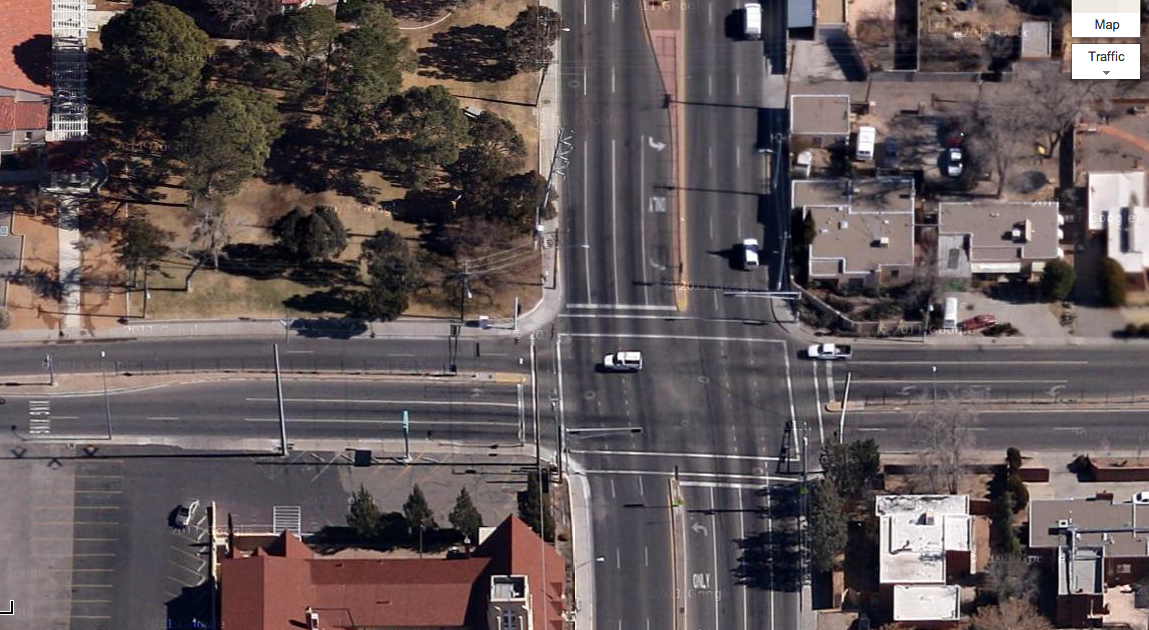
Let’s first look at the Lomas/Girard intersection, the heart of the traffic congestion beast:

Aerial view of the Lomas/Girard intersection, looking east (Google Maps)

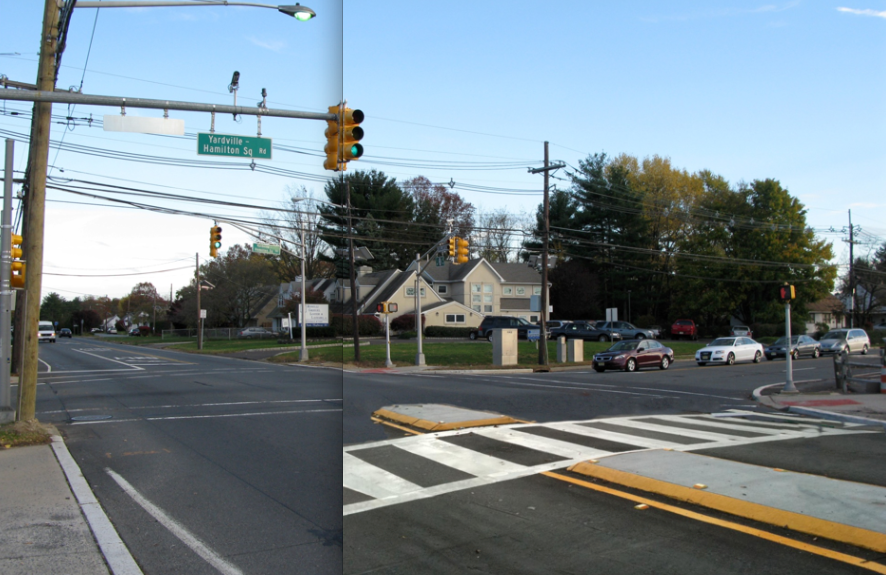
Currently, this intersection is dangerous and unpleasant. The crosswalks are worn, the crossing times are too short and the speeds on Girard are far in excess of the posted speed limit. According to North Carolina Department of Transportation, an “enhanced crosswalk with special stencils, raised platforms, or special signage” costs ~$5,000 (NCDOT). For about $20,000, the City of Albuquerque could enhance all four crosswalks on this intersection, making them far more visible and therefore safer. The city could also extend the amount of time given to cross the street, which would cost nothing. The image below is an example of what this could look like, with the “before” on the left and the “after” on the right:

An example of how some cheap fixes to the Lomas/Girard intersection would look
.

Let’s take this a step further.

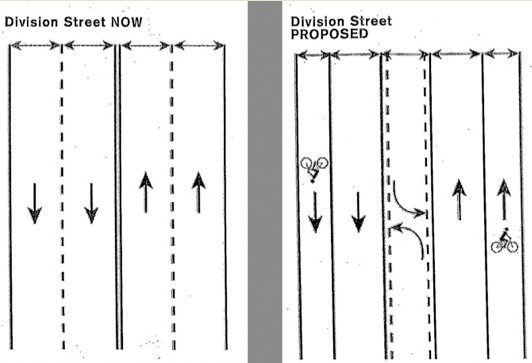
From the same NCDOT document (pg. E-3), a project is described: “East Blvd. Pedscape, including repaving for a road diet from 4 motor vehicle lanes to 2 motor vehicle lanes, 2 bicycle lanes, a turn lane, improved ADA curb cuts and crosswalks with safety islands.
Length = ½ Mile.
Final Cost = $1,050,000
($398 per linear foot)
” (NCDOT).

Guess what else is a ½ mile?

Girard between Central Avenue and Frontier Ave.

The graphic below shows what could happen in that segment:

A typical "road diet"
A typical “road diet”

But Wait! There’s More!
All of the fixes proposed in this post are not new; they are described in detail in both the Girard Boulevard Complete Streets Master Plan (specifically pg. 29) and the North Campus and Summit Park Neighborhood Transportation Management Plan. Both of these plans were created with a huge amount of public involvement, specifically involving the very neighbors who are protesting this project! They seem to have forgotten about these documents since neither of them have been mentioned.

Why Should We Care?
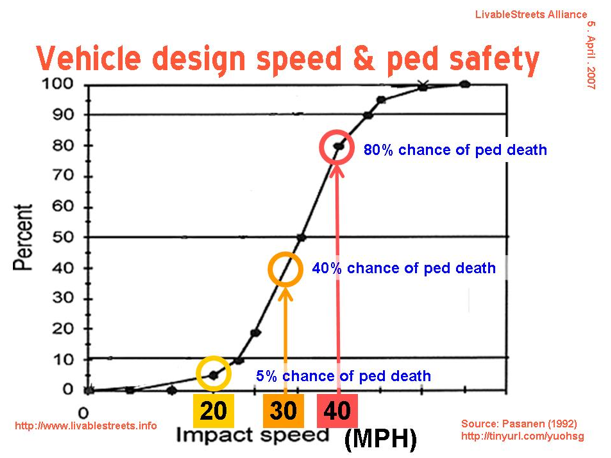
The chart below describes lays out quite clearly why Girard needs a road diet:

Speed of Moving Vehicle vs. Chance of Survival

The high speeds on the current configuration discourage walking. With one lane in each direction, the speeds would drop dramatically.

The other problem with this plan is induced demand. It’s quite simple: more roads/lanes = more people driving. However, induced demand works both ways: more bike lanes/routes/trails = more people cycling.

SOLUTION: Short Term + Long Term
At this point in the process, APS is ready to break ground. The plans are ready and APS is reluctant to change them. Since the bond money is allocated to specific projects, it’s unlikely that the money could be used for bicycle or pedestrian improvements.

At this point, only the City of Albuquerque (CABQ) can prevent this project. APS needs CABQ to provide a permit to create a 24 ft. curb cut on Lomas for the road. APS has not yet applied for the permits so there is hypothetically time.

If enough citizens call their city councilor and tell CABQ to withhold the permit, it may happen.

The other thing the city could do is use emergency or discretionary funds to fast-track the proposed improvements to Girard. Combined with an education program at JMS for the coming school year + a comprehensive bike/ped encouragement program (EX: the Walking School Bus), there might not be a traffic problem after all. A Walking School Bus (groups of students walking together + a chaperone) would allay the constant parental fear of sexual predators. If enough students and parents decide to walk or bike to school, the need for this road would completely disappear.

Take Action!

A great federal program called Safe Routes to School has been doing amazing work in communities across America. Click here for more information on this topic.

If you care about this issue, now is the time to take action. Contact your city councilors by clicking this link.

A website has also been created by members of the neighborhood in protest of this plan. View it by clicking here.

Thank you for reading! Please comment below if you have anything to add to the conversation.

-Dan

Building a Better Business District

Note: This was originally posted on the Urban @ ABQ website on 5/19/13.  I am posting this here so I can have a copy on my site.  The original post also had a different picture.  Find the original post here.  Thanks for reading and please comment!  

bfbd article

Picture this: it’s a beautiful spring Saturday morning in Albuquerque, New Mexico. The Paseo del Bosque multi-use trail is filled with families and other users. A few blocks away, Downtown Albuquerque is empty. Most of the businesses are closed; the few open ones are struggling. What if the trail users, many of whom are on bikes, could be drawn into Downtown? What if we could combine pedal power and people power into a boost for small local businesses?

The Bicycle Friendly Business District (BFBD) initiative aims to accomplish this. Connecting bicycle users to small businesses is a great way to incubate the local economy, encourage people to use their bicycle and activate previously underutilized places.

What is a BFBD?
According to Green Octopus Consulting, a pioneer of this initiative, “a BFBD is a commercial district where the merchants encourage people to bike to the area to shop and dine – and where merchants and employees ride, too. BFBDs integrate bikes into a district’s operations, events, and promotions.” (Economides, April).

In Albuquerque, this treatment could easily be applied to these existing business districts:

Downtown
Old Town
South 4th St. (Barelas)
Nob Hill
The Bricklight District
Silver at UNM
EDo (East Downtown)
San Pedro (between Lomas & Constitution)
+ a handful of other corridors scattered around the city.

Urban at ABQ is targeting Downtown as the location of the first BFBD in Albuquerque.

Is there proof of bicycles being good for business?
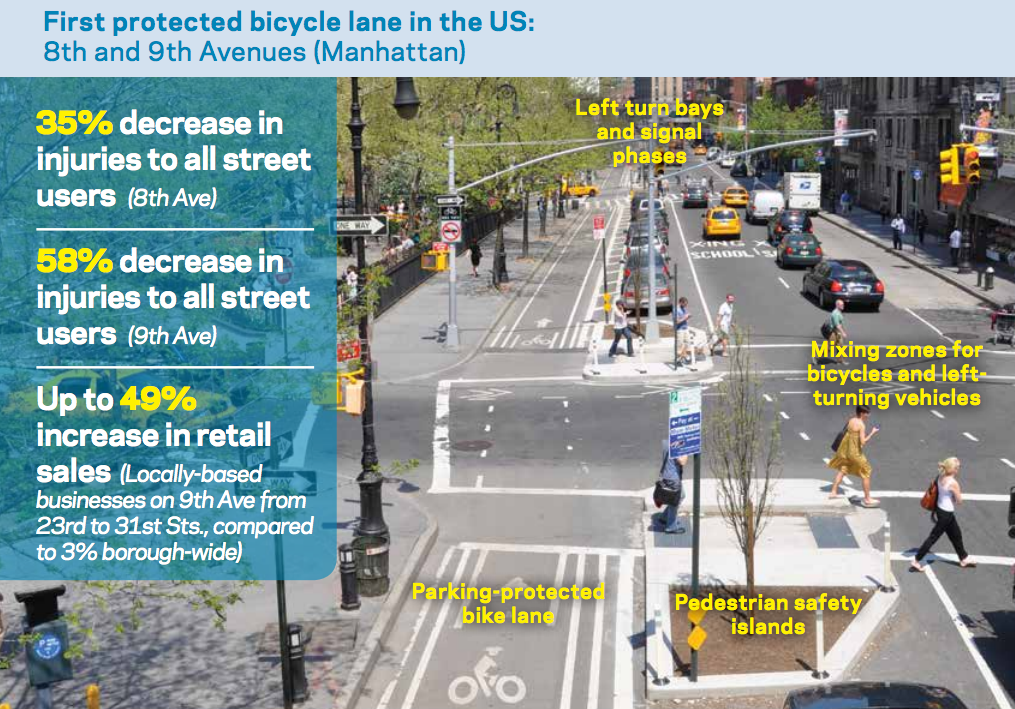
Yes! The NYC DOT recently released a report about the impacts of bicycle and pedestrian oriented infrastructure changes. It showed retail sales increasing between 49%-172% in areas where bicycle or pedestrian infrastructure was created or improved (Measuring the Streets: New Metrics for 21st Century Streets). In addition, the impacted corridors became much safer. Injuries and fatalities declined dramatically for all road users, especially automobile drivers. Safer streets are better for businesses too.

The typical response to this would be, “New York City has nothing to do with Downtown Albuquerque! There is no way this would work in Albuquerque!” In that case, let’s examine an example that’s closer to home: Long Beach, CA. Long Beach is the pioneer of the BFBDconcept. In areas where the BFBD treatment has been applied, 18 new bike related businesses opened over the course of one year (Green Octopus Consulting). Long Beach Mayor Bob Foster understands the value of bikes: “‘I see parts of the city on my bike that I would never even notice if I was just driving,’ he said. ‘It’s a way for me personally to get closer to the city’” (Streetsblog, 3/13/12; Snyder, Tanya).

Bicycle tourism is also on the ride. People come from all over the world to bicycle tourism hubs to spend time and money. In Colorado, our neighbor to the north, bicycle tourism is a $1 billion/year industry (Economides, April).

It’s the Parking Stupid!
One of the major complaints about visiting Downtown is the difficulty of parking. It’s not necessarily an issue of quantity but the ability to find a reasonably priced parking space. Bike corrals, a key part of the BFBD formula, can help to alleviate this issue. A bike corral replaces a single curbside parking space with a bike rack.

This can be a game changer for a local business. Why? Where 1-4 customers previously parked, up to 14 customers can now park! Did I mention that bike parking is also free? Developers in other American cities understand that “it’s a lot easier to install 127 bicycle parking spaces than to build a parking lot.” (Jacklet, Ben; Oregon Business; 1/11)

The visibility of a large bike parking rack on the street edge communicates to cyclists that the local businesses value their support. Encouraging more people to cycle frees up parking spaces for the people who really need them (EX: the elderly). Urban at ABQ is currently working on an initiative that would permit this type of infrastructure. According to current city law, it is illegal to build a bike coral.

Albuquerque is on the cusp of being the ultimate bicycle friendly city. For decades, we were on the cutting edge of bicycle infrastructure, building miles of trails along the river and along our arroyos. However, much of this infrastructure is oriented around recreation vs. commuting. Across America, cities are quickly realizing that encouraging bicycling for transportation can be the best solution to reducing traffic congestion, obesity and transportation costs for citizens. It can also stimulate local economies.

Building on Our Existing Strengths
Albuquerque is already far ahead of many mid-sized American cities in this regard. All of our buses have racks for 2-3 bicycles on the front. A huge percentage of our roads have bicycle lanes and bicycle route signage. We had one of the first bicycle boulevards in the country; the portion of it closest to the university is typically filled with a wide variety of cyclists on a vast array of bicycles. Old Town Farm, which is close to the Paseo del Bosque trail, sees hundreds of cyclists on the weekends at the Bike-In Coffee truck on the property (visit oldtownfarm.com for more information). Marble Brewery, a Downtown bar, typically has far more bicycles parked outside than cars. Every weekend in the spring and summer, the various paths and trails around the city are packed with families cycling and walking. The time has come to connect the dots, build upon our existing assets and move Albuquerque to the next level.

Where are we in the process?
This past month, members of Urban at ABQ have been walking around Downtown collecting data. We are assessing the existing infrastructure in order to guide the development process. Our assessment is taking stock of existing bike racks, bus stops, bike shops and other supportive elements of a BFBD (bicycle friendly businesses such as restaurants, coffee shops, etc. as well as potential areas for new bike racks and more).

Once we have processed all of this data, we will prepare a report identifying the improvements that must be made in order to create a Bicycle Friendly Downtown. This will include recommendations for both the public and the private sector. For example, we might recommend bicycle racks for certain areas (public sector) and targeted bicycle oriented promotions (private sector). We will present these to the Downtown Action Team and the City of Albuquerque.

Building a Bicycle Based Business Boom
Albuquerque continues to struggle from economic woes. The states surrounding us have recovered from the recession while New Mexico continues to stagnate. In order to compete, we must use our existing assets to build a new economy.

In urban areas across the nation, a tangible transformation is occurring. After decades of divestment, downtown America is once again the “place to be”. As the Great Recession stopped sprawl in its tracks, city cores continued to grow. “College-educated professionals between the ages of 25 and 34” are driving this growth. (Forbes; Brennan, Morgan; 3/25/13).

The future of real estate and value creation in cities is oriented around enhancing existing build environments. High-density infill is the most efficient use of our limited resources. Orienting these new developments around bicycles, mass transit and walking for transportation is key to their success. It’s time for Albuquerque to become Albikequerque.

-Dan