
As Albuquerque’s City Council again discusses legalizing duplexes, what can be done to make it easier to build housing in Albuquerque?
By Jordon McConnell // Edited by UrbanABQ
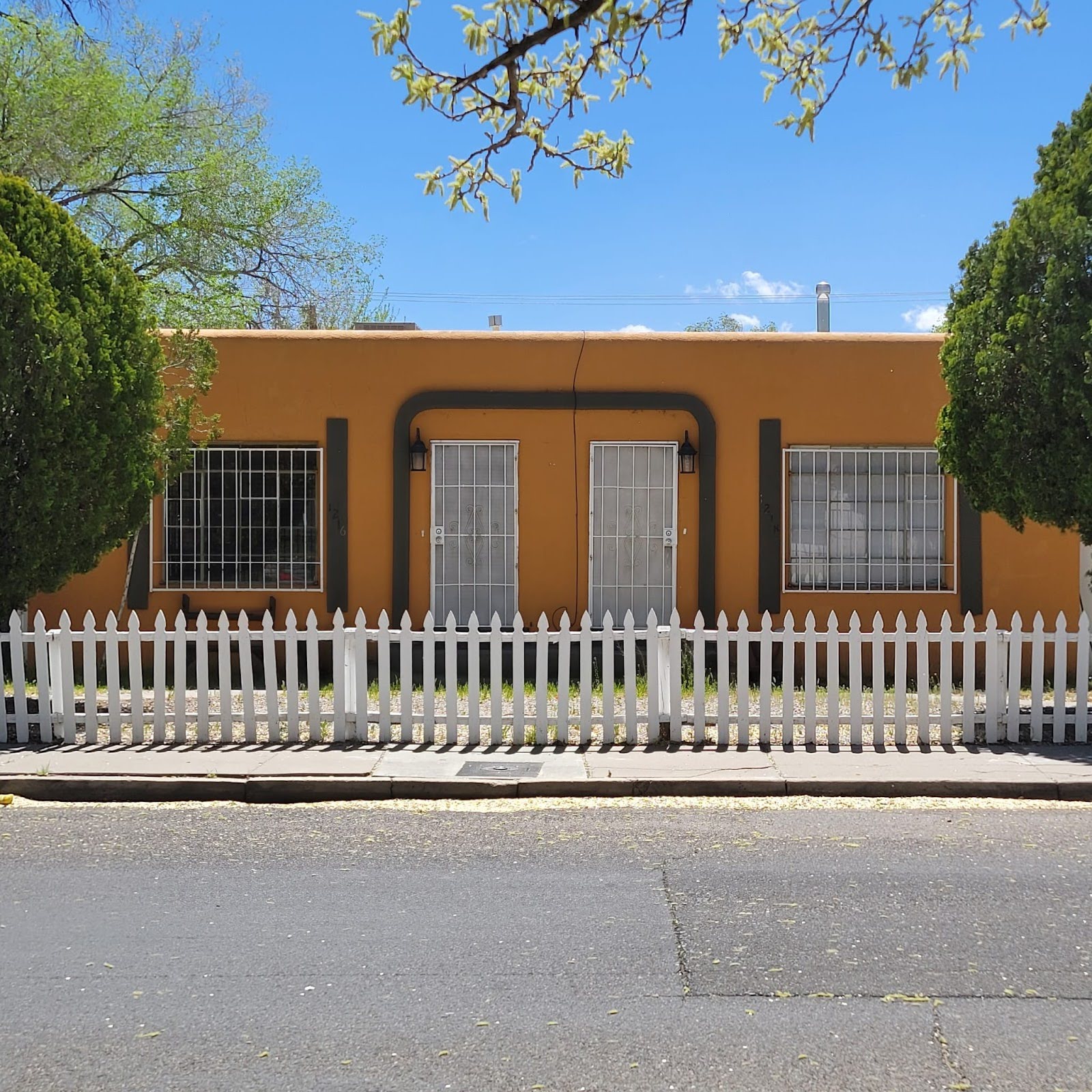
CALL TO ACTION: Write to your City Councilor or sign up to speak at City Council to support the IDO Amendment legalizing Duplexes in select areas of Albuquerque.
Below is more information about why we strongly support duplexes.
Albuquerque may legalize the construction of duplexes in some important neighborhoods and transit corridors where they are currently banned. As we explore ways to make our city more accessible, this proposal represents a good step in creating more opportunity, affordability, equity, and safety in our community.
Facing a housing crisis that has made affordable housing more difficult to find in Albuquerque while aggravating an already tenuous homelessness crisis, the City of Albuquerque began the Housing Forward Initiative to tackle this important issue. Among the proposals outlined were the legalization of casitas (ADUs), changing the city’s zoning code to be more flexible to housing demand by legalizing duplexes in residential zones, lowering or eliminating parking minimums, converting former motels into affordable housing as well as allowing conversion of some commercial properties to residential, adjusting rules on building heights, and partnering with the state government to tackle systemic issues such as tenant protections and tax development districts.
So far, the Albuquerque City Council has allowed only a few of these measures to pass, including a limited version of casita legalization, the conversion of motel properties into housing, and the conversion of some commercial properties into housing. However, the City Council has rejected proposals for easier construction of casitas and duplexes, as well as relaxing parking requirements for multifamily housing developments.
As Albuquerque prepares to plan for several decades of growth, how will we choose to address the ongoing housing crisis? How can we make our city vibrant and welcoming for all?
“No Vacancy” in Albuquerque
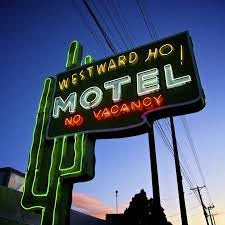
According to the City’s research, nearly half of Burqueños are cost-burdened, meaning they are spending over 30% of their household income on rent or housing costs, which is considered a heavy burden by federal authorities. Since 2021, average rents in Albuquerque have ballooned over 21%, while home prices have also risen by over 20%, to a median home cost of $339,000. This means the average rent for a Burqueño is now over $1,200 per month. Albuquerque needs around 28,000 new housing units to meet demand. According to KUNM, the number of Burqueños now cost-burdened by rent is over 57,000, which by population would rank as the fifth largest city in the state (if it were its own city).
According to HUD, the vacancy rate in Albuquerque was estimated at 7.1% as of April 2023. This rate varied, gradually becoming tighter, but more acutely and rapidly during the pandemic. HUD categorizes this vacancy rate for renters as “slightly tight,” leading to tighter supplies and higher prices. Meanwhile, vacancies for homes have decreased to 1.2%. With demand for over 7,000 home sales and only around 700 homes being built, prices are expected to continue increasing.
Increased demand for both buyers and renters, a supply that can’t keep up, combined with tight vacancy rates has created a housing landscape that is becoming unaffordable. Additionally, over 60% of Albuquerque’s zoned areas currently ban duplexes, quadplexes, and apartments, which further holds down the supply of new housing in large swaths of the city. Fewer units available means landlords and realtors can be more selective, and discriminatory. It also gives them a wide berth in raising rents, sometimes to keep out tenants or neighbors they deem undesirable.
Are duplexes a solution?
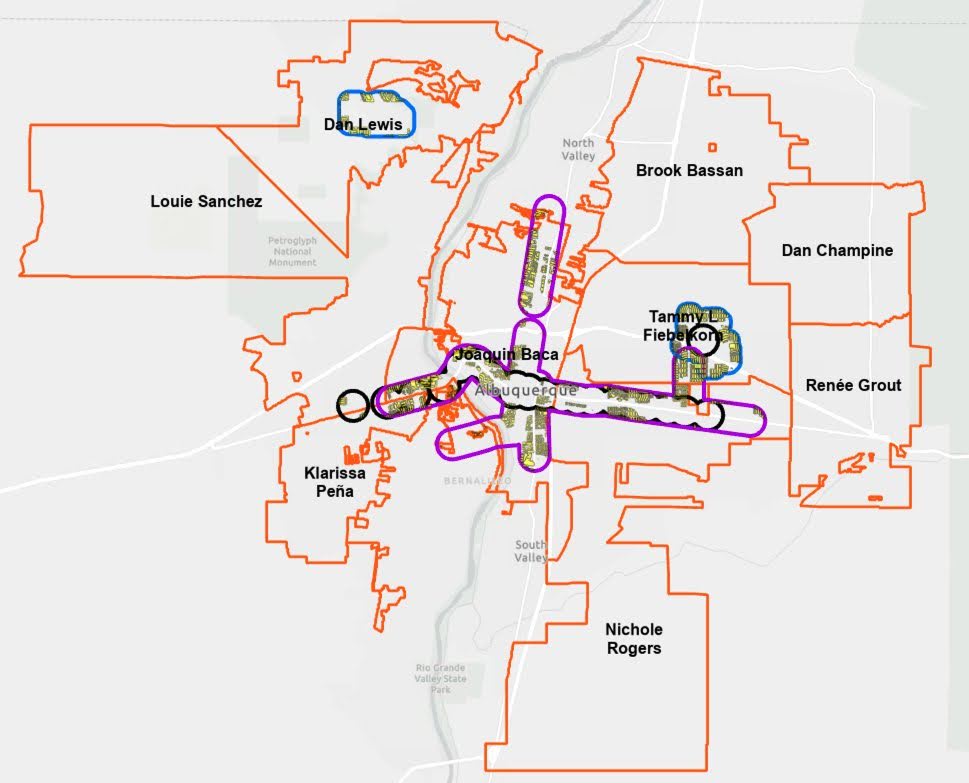
Given the severity of the housing crisis, Councilors Tammy Fiebelkorn and Nichole Rogers have crafted a new zoning proposal that would legalize duplexes in limited areas of the city along the city’s Main Street Corridors (4th Street, Central Avenue, and Dolores Huerta Blvd) as well as near premium transit stations (primarily ART Stations), as well as in the city’s two special urban districts (Uptown and Volcano Heights Urban Center). These areas can be seen outlined in the map above.
The proposal addresses concerns about developers demolishing housing to build duplexes by only allowing duplexes to be built as part of existing construction. For example, a homeowner could convert a portion of their existing home into another unit to generate secondary income. In addition, this proposal hopes to restrict the ability of homeowners to use these units for short-term rentals, such as Airbnb, which was a concern raised last time duplexes were proposed.
Though legalizing duplexes would not address all of our housing needs, especially in this substantially reduced proposal, it is a strong step forward. According to an article published by Science Direct, “gentle density” increases being allowed throughout a city, focused on buildings like duplexes, triplexes, and fourplexes, is the most affordable and one of the most effective ways to increase housing supply.
There is ample evidence that this is an effective strategy. Minneapolis recently codified the legalization of triplexes and fourplexes in their zoning code. Like Albuquerque, construction of this type of housing was illegal in over half the city. In the four years since the change was instituted in Minneapolis, housing construction has increased faster than other cities in the Midwest and has led to a stabilization and even decrease in housing cost burdens. Coupled with reductions and eliminations of parking minimums, lot sizes, and building heights, Minneapolis has charted a course for sustainable development that we can start to follow by supporting this proposal.
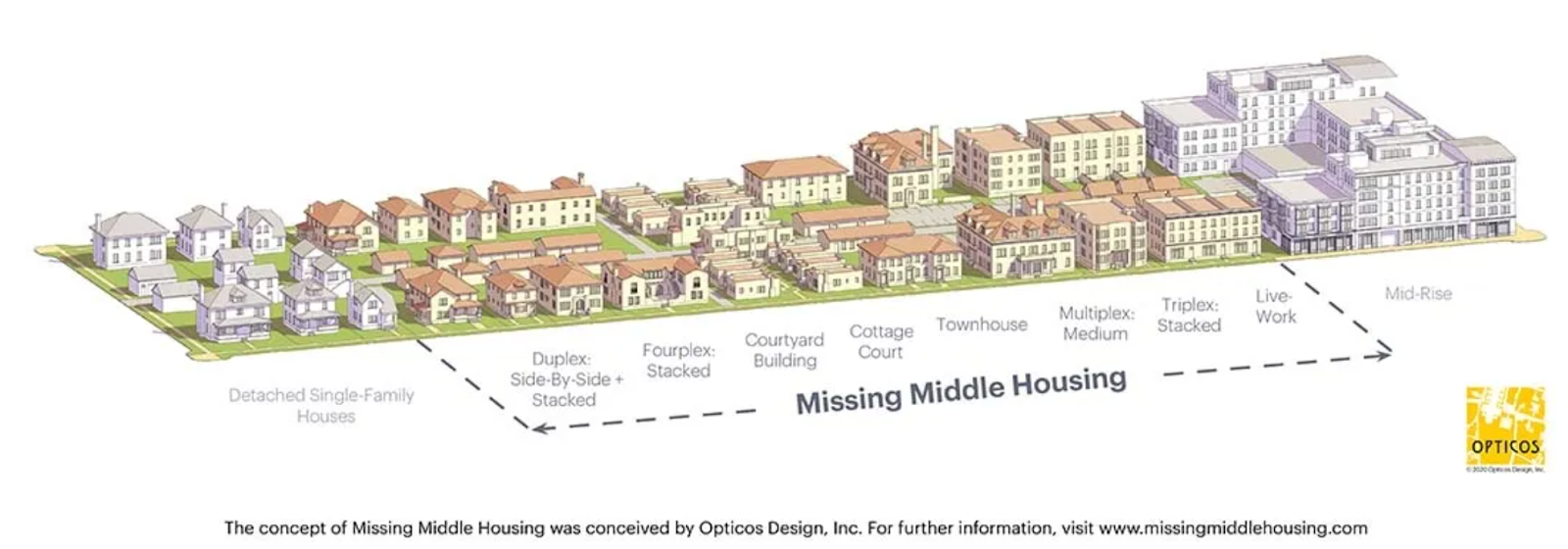
Legalizing incremental housing also addresses several concerns at once: how do we induce small, low-cost, and affordable development AND how do we create housing that is for renters of all incomes? Due to the regulatory burden imposed by zoning codes, most developers can not justify smaller developments. In allowing gentle density across the city, these proposals address both issues.
The zoning change allows for an increase in supply and it legalizes structures that are far more affordable to develop, which allows homeowners to become small-scale developers. This means a homeowner can rent to college students, keep aging parents closer to home while maintaining their independence, and allow families with lower incomes to reach the lowest rung on the housing ladder. In historic neighborhoods, it can help prevent displacement, keep adult children close to their homes and families, and bring economic opportunities to historically disadvantaged communities.
Duplexes certainly will not solve all of our housing issues, but we should celebrate every step we take toward a more inclusive city as we walk away from exclusionary zoning practices.
If Duplexes Are Great, Why Is There Opposition?
Despite widespread support among speakers at the most recent Land Use, Planning, and Zoning (LUPZ) Committee meeting of the City Council, the proposal was struck down with councilors Dan Champine, Brook Basan, and Renée Grout voting against, while councilors Nichole Rogers and Jacquin Baca voted in favor. Despite this, the proposal is likely to come up before the entire council on Monday, June 3rd.
In the committee meeting, in explaining her “no” vote, Councilor Basan stated “I think they’re great. I think that they’re very beneficial and they help a lot of families, – I think that they should be conditional, and it is something that people should go ahead and apply for [and] go through the process.” Although I appreciate the councilor’s support for duplexes and their benefits for families, I must clarify that the process she describes for obtaining conditional use permits for duplexes is not feasible under our current Integrated Development Ordinance (IDO).
To build a duplex in her district, one must rezone the lot to R1-A and then split the lot. This is nearly impossible due to the IDO’s “contextual standards,” which prohibit creating lots smaller than those surrounding them. This complex and restrictive process is a significant barrier, effectively preventing all but the wealthiest developers from constructing duplexes. To truly support families and increase housing options, we need to simplify the process for incremental density. Reforms that make it easier for residents to build duplexes, such as this one, promote more inclusive and affordable neighborhoods by removing some of these barriers.
Brandi Thompson of StrongTownABQ pointed out that none of the lots in the districts of councilors who voted against the recent duplex proposal would be affected. Yet, these suburban councilors seem concerned about gentle density in general, fearing its potential impact on their communities.
Concerns from other groups like the Nob Hill Neighborhood Association and representatives from Martineztown focused on potential gentrification, increased traffic, and displacement. However, zoning restrictions in historic neighborhoods limit the development of new housing, leading to a scarcity of available homes.
This scarcity, combined with high demand, drives up property values and rents, increasing the cost of living and displacing lower-income residents. Paradoxically, measures intended to preserve the character and affordability of these neighborhoods can make them less accessible and inclusive. To protect Albuquerque’s historic neighborhoods and promote inclusivity, there is a need for thoughtful zoning reforms that allow for incremental density while acknowledging local architectural styles. This approach can help manage growth sustainably and equitably, benefiting all residents by increasing housing options and affordability.
To their point, homes are already being demolished and replaced with larger, single-family homes in neighborhoods considered historic throughout Albuquerque. This type of conversion is far more destructive than the duplex proposal, while also contributing to the inaccessibility of these neighborhoods.
Will Duplexes Work in Albuquerque?
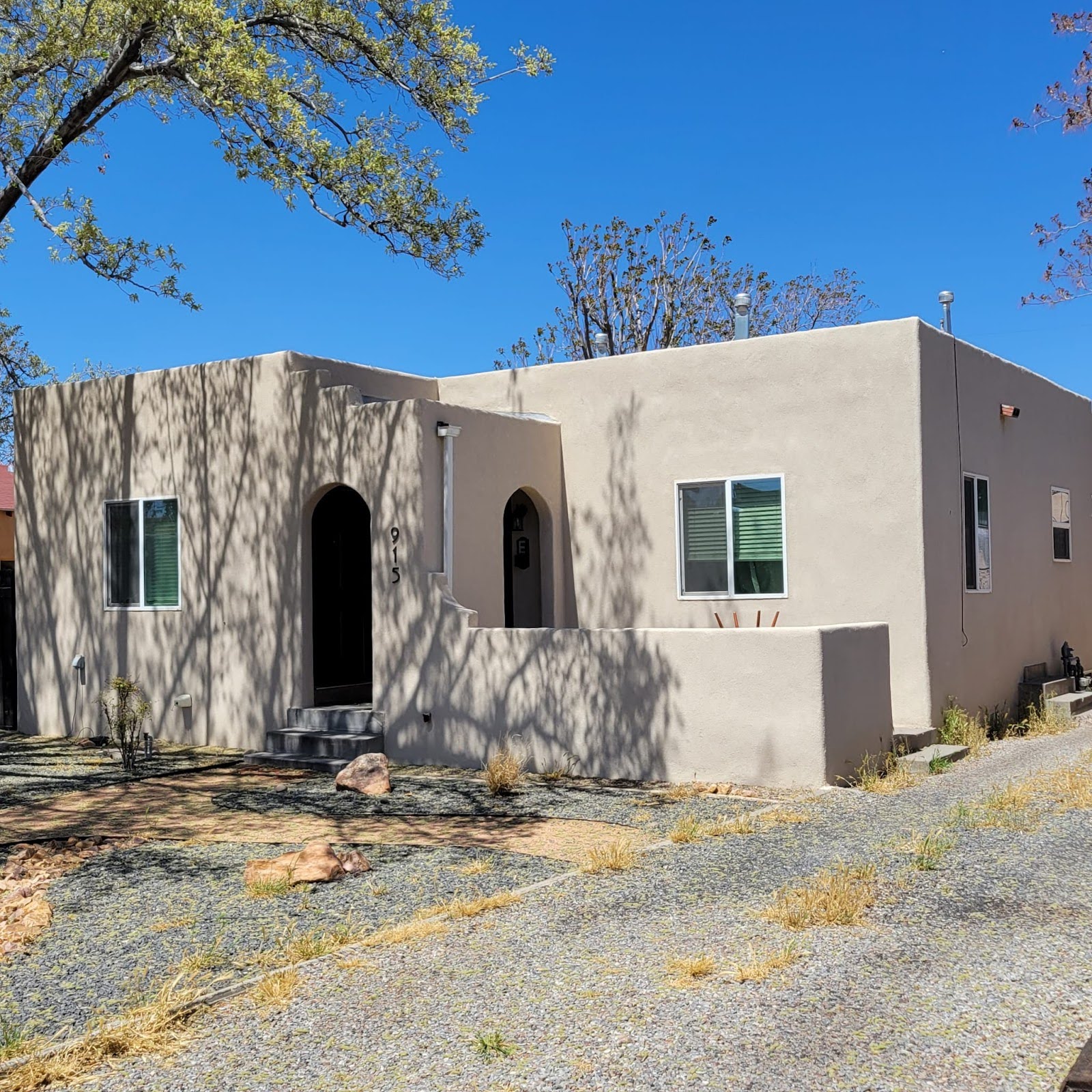
With our housing crisis and a city zoning code that currently bans multifamily homes from over 60% of our land, reconceptualizing the way we zone our city is an essential step in addressing this crisis. It is also a question of equity. The zoning code has historically been used to prevent certain types of people from moving to neighborhoods, often with racist and classist motivations.
When large swaths of Albuquerque do not build new homes while residents continue to move in (and recent investments in Intel, Netflix, and Solar Manufacturing may accelerate that), lower-income neighborhoods will be forced to absorb the growth. Buyers who are priced out of wealthier neighborhoods where growth has effectively been outlawed will move to the nearest one where growth is allowed, driving up prices there, and in turn displacing low-income residents who will no longer be able to afford to stay in their neighborhood. Furthermore, it will intensify cycles of sprawl construction which is destructive to our delicate desert ecosystem and open spaces, generates polluting and soul-crushing traffic, and largely also is insolvent to city coffers.
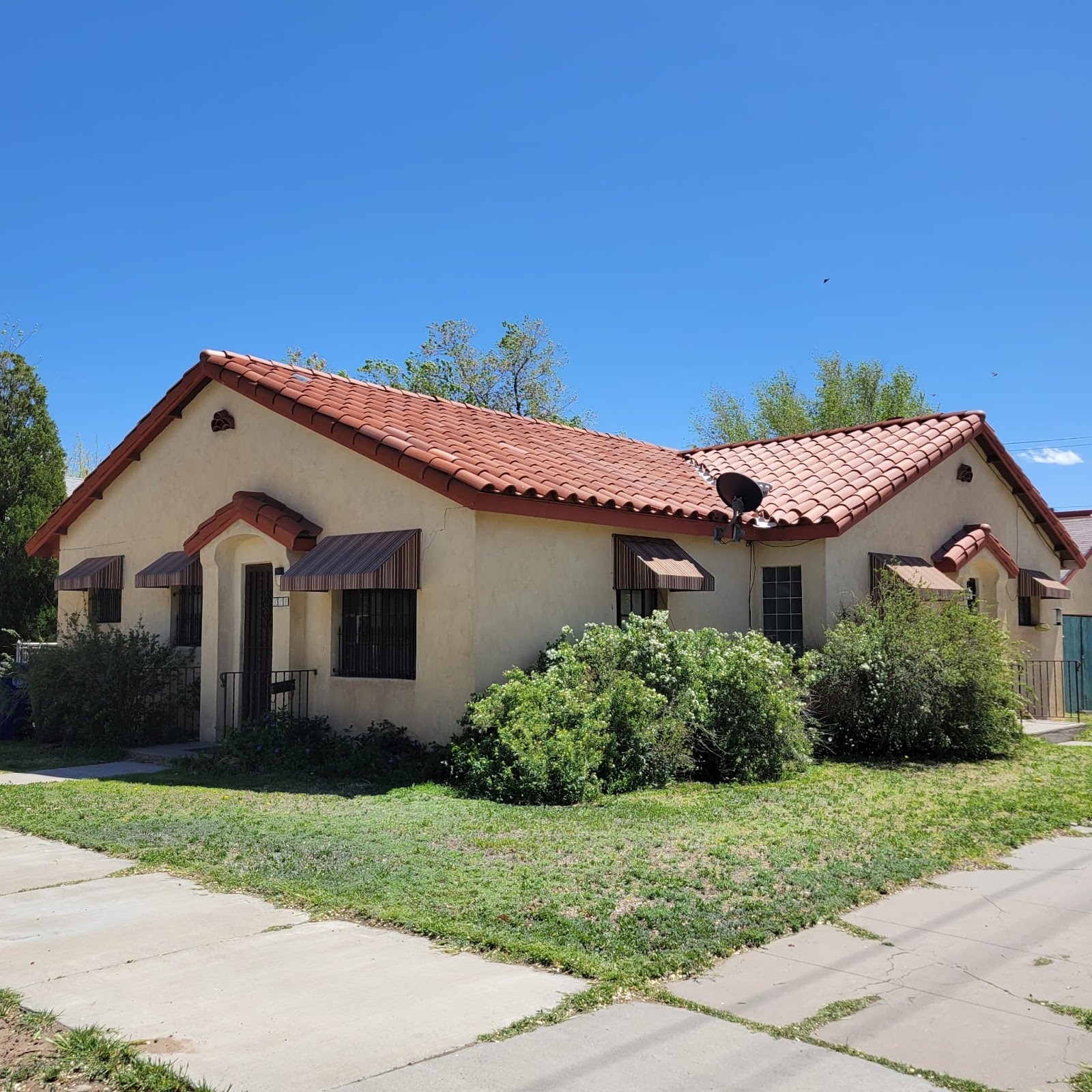
I would argue that duplexes already work in Albuquerque and are a large part of why the neighborhoods along the Central Avenue Corridor, which contains most of the neighborhoods where they were traditionally allowed to be built, are among the best neighborhoods in the Southwest. They have helped keep the Downtown Neighborhoods and Nob Hill/UNM areas more affordable than similar neighborhoods in nearby cities. Opponents of the duplex proposal and other housing initiatives state that they believe these proposals threaten the character of our neighborhoods. I believe the opposite is true: our historical character is inherently diverse and dense. Finally, proponents will point out that duplexes blend in with their neighborhoods and are often hard to tell apart from single-family homes, thereby integrating themselves into the neighborhood character.
Conclusion
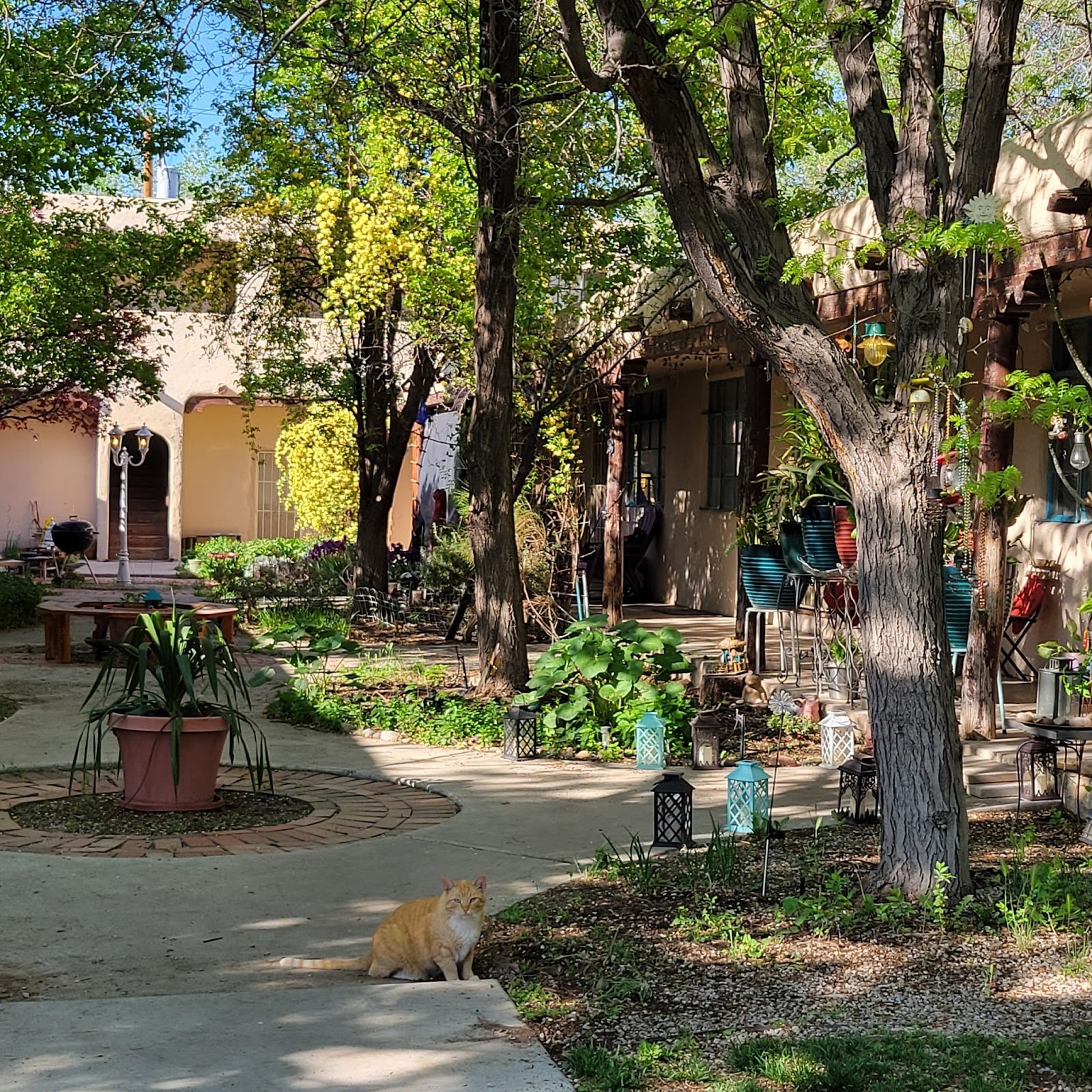
The neighborhoods surrounding downtown Albuquerque, such as Raynold’s Addition and those along the Central Avenue Corridor, showcase a variety of missing middle housing types, including duplexes, triplexes, and courtyard apartments. These housing forms have long been integral to the character of these neighborhoods, contributing to their vibrancy, diversity, and affordability. Gentle density not only fits into but also enhances the character of our city. The mix of housing types supports local businesses, reduces the need for long commutes, and fosters a sense of community. By legalizing and encouraging the construction of similar housing in transit-accessible areas, we can replicate this success on a broader scale and breathe new life into our primary transit and main street corridors.
Many of us have personal stories or know someone who has benefited from duplexes or casitas. Whether it’s a family using a casita to generate extra income, someone finding a comfortable home in a duplex, or a professional enjoying the flexibility and affordability these housing options provide, these homes have played an important role in our lives. They offer a valuable housing option that caters to a wide range of needs and preferences, demonstrating their versatility and importance in contributing to the adaptability, resilience, and vibrancy of city life.
Embracing missing middle housing and incremental density is not just a practical solution to our housing crisis; it is a way to honor and build upon the character that makes Albuquerque unique. By moving away from exclusionary zoning practices and towards inclusive, flexible zoning reforms, we can create a city that is vibrant, welcoming, and affordable for all residents.
 Urban ABQ